 Image 1 of 3
 Image 2 of 3
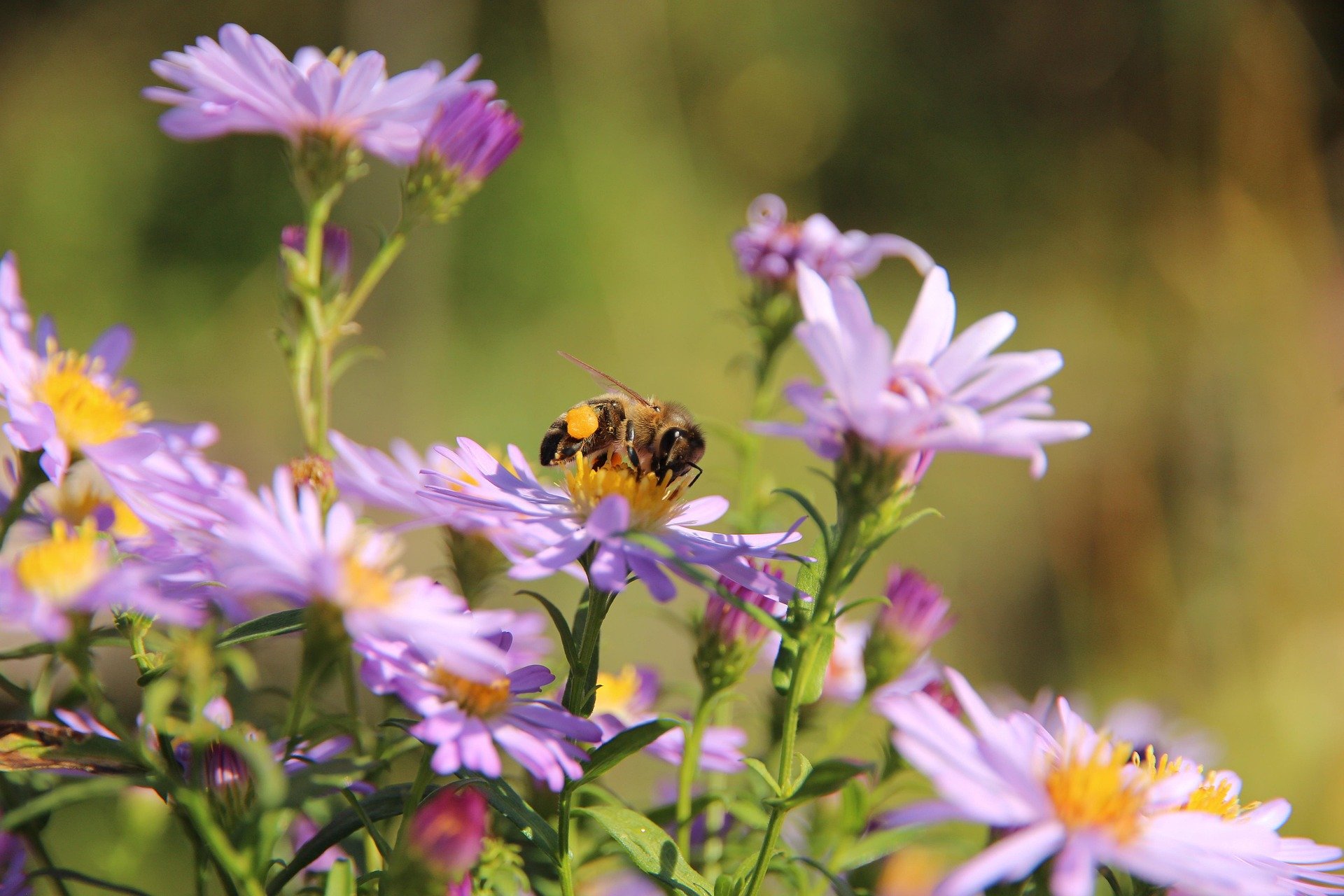 Image 3 of 3
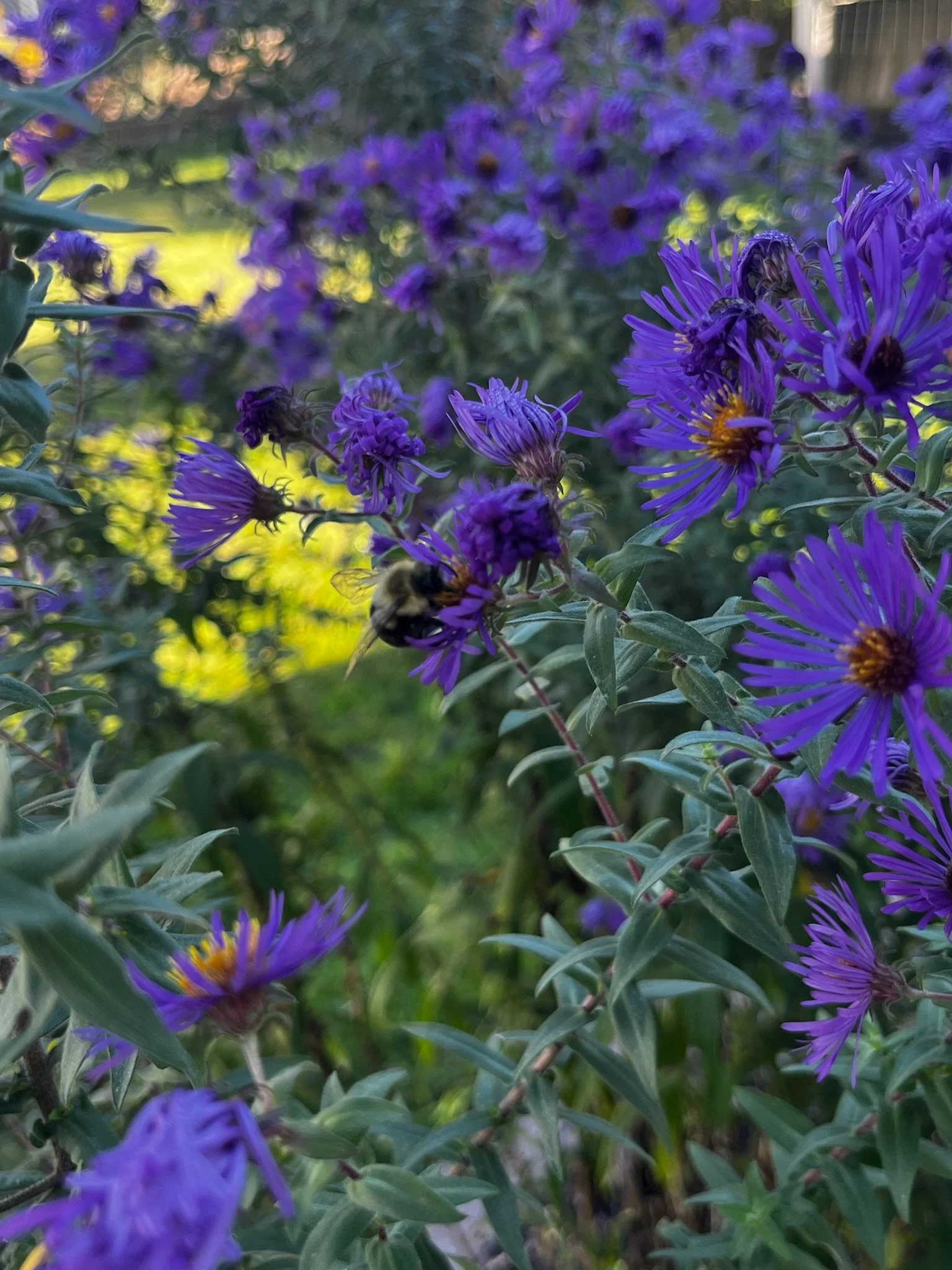
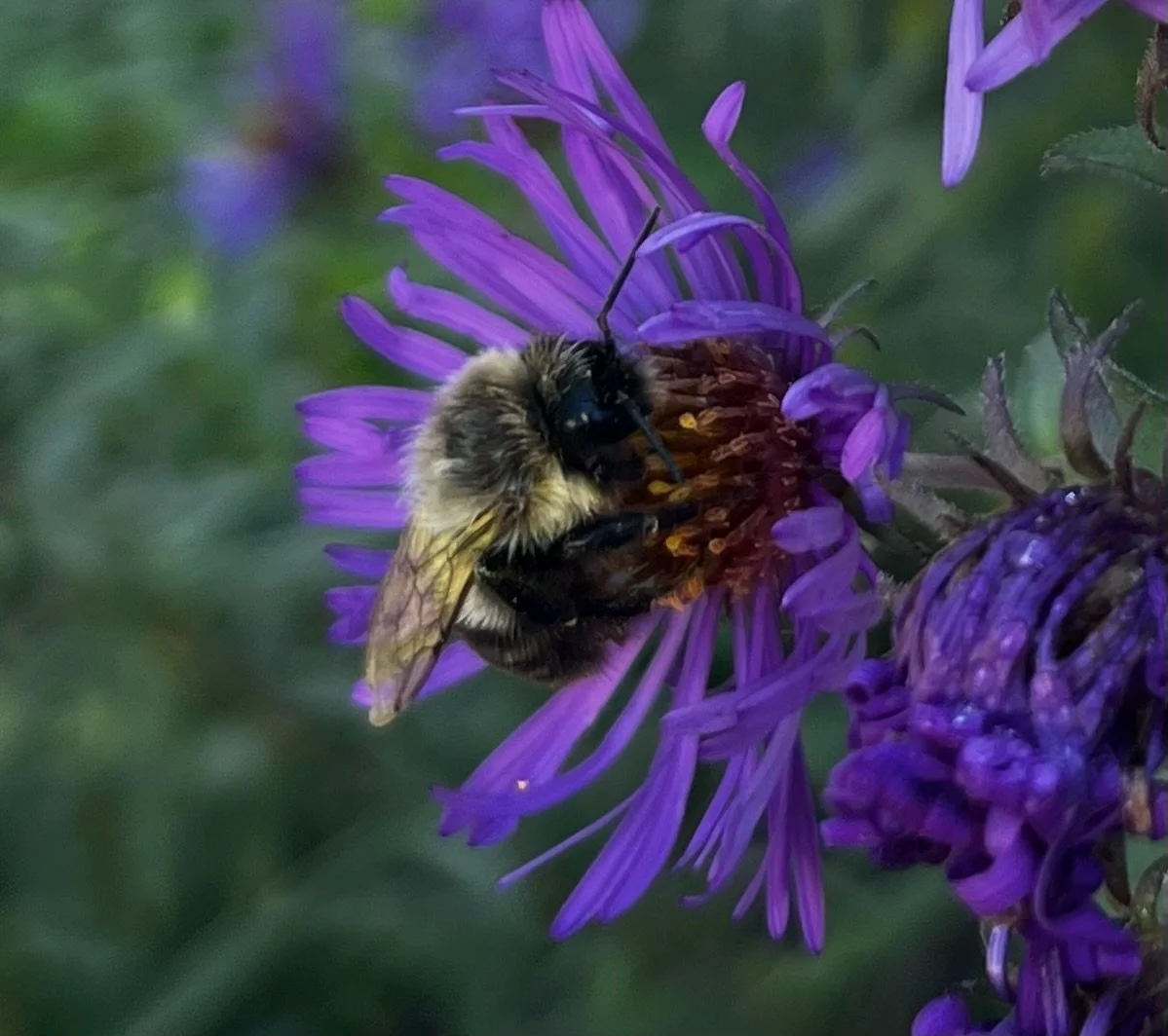
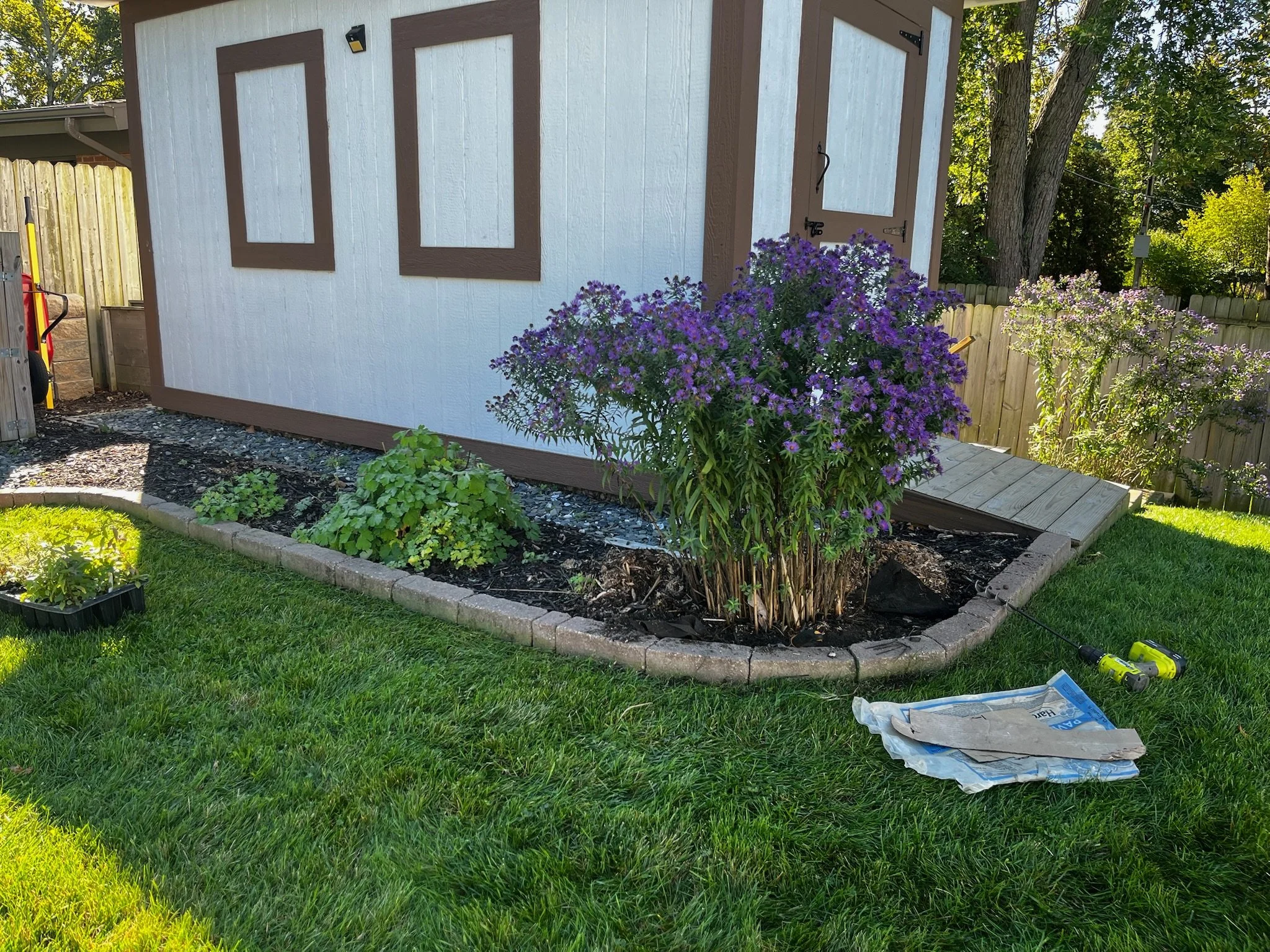
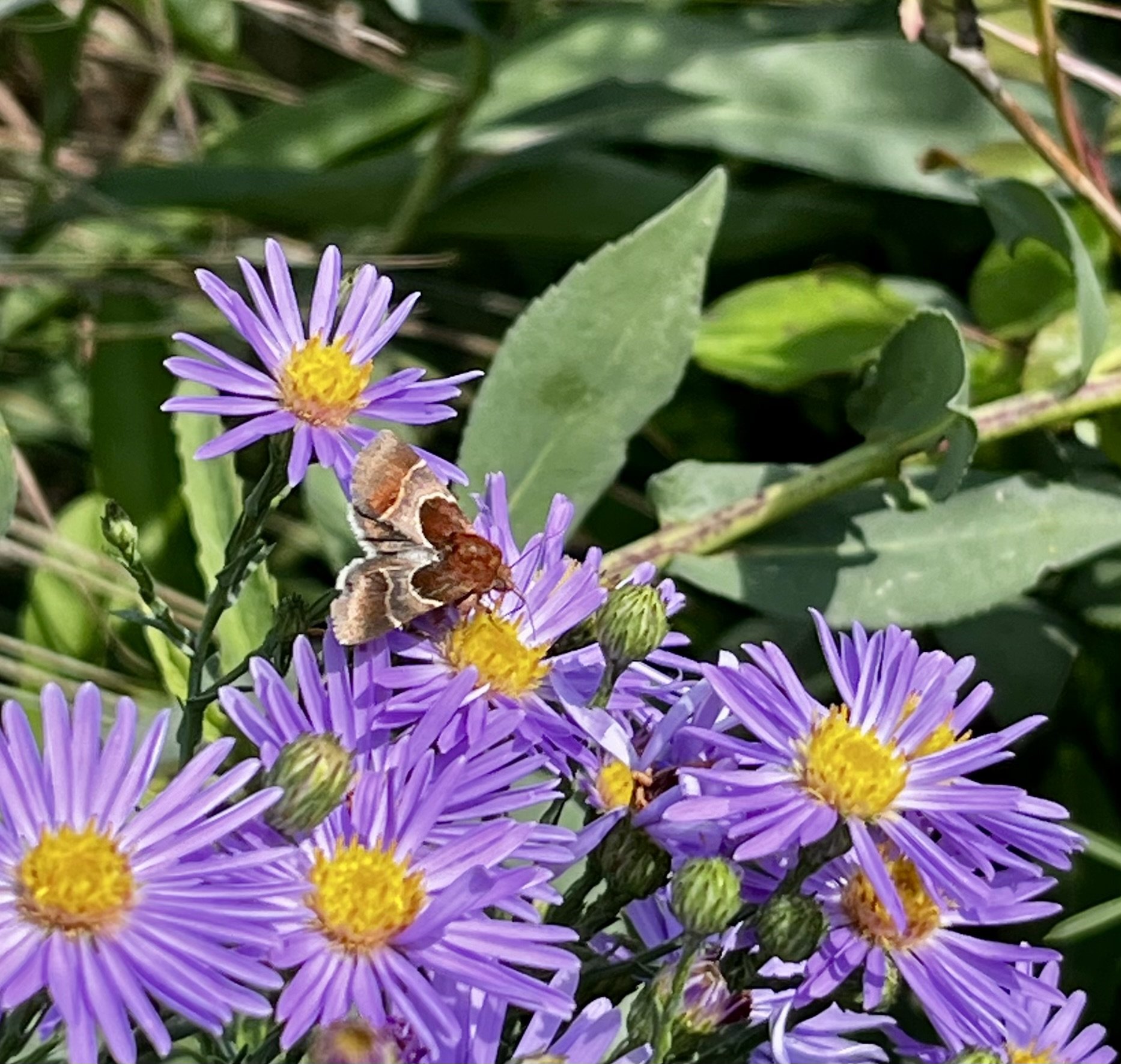
Arguably one of the most garden-appropriate asters, Symphyotrichum laeve puts on a fall display similar to the renowned New England Aster, but with much less legginess and much more adaptability. Also known as “smooth aster” (because of its smooth leaves, which differ from most aster species), this species is relatively compact, especially after being browsed or “Chelsea chopped”. It typically grows to 2-3 feet in height and 1-3 feet in width and it produces loads of daisy-like lavender blue flowers with yellow centers throughout the fall season. In addition to its lovely form and showy flowers, it is also long-lived and non-aggressive, spreading only slowly by small rhizomes, which allow the plant to fill out a garden space well without taking over.
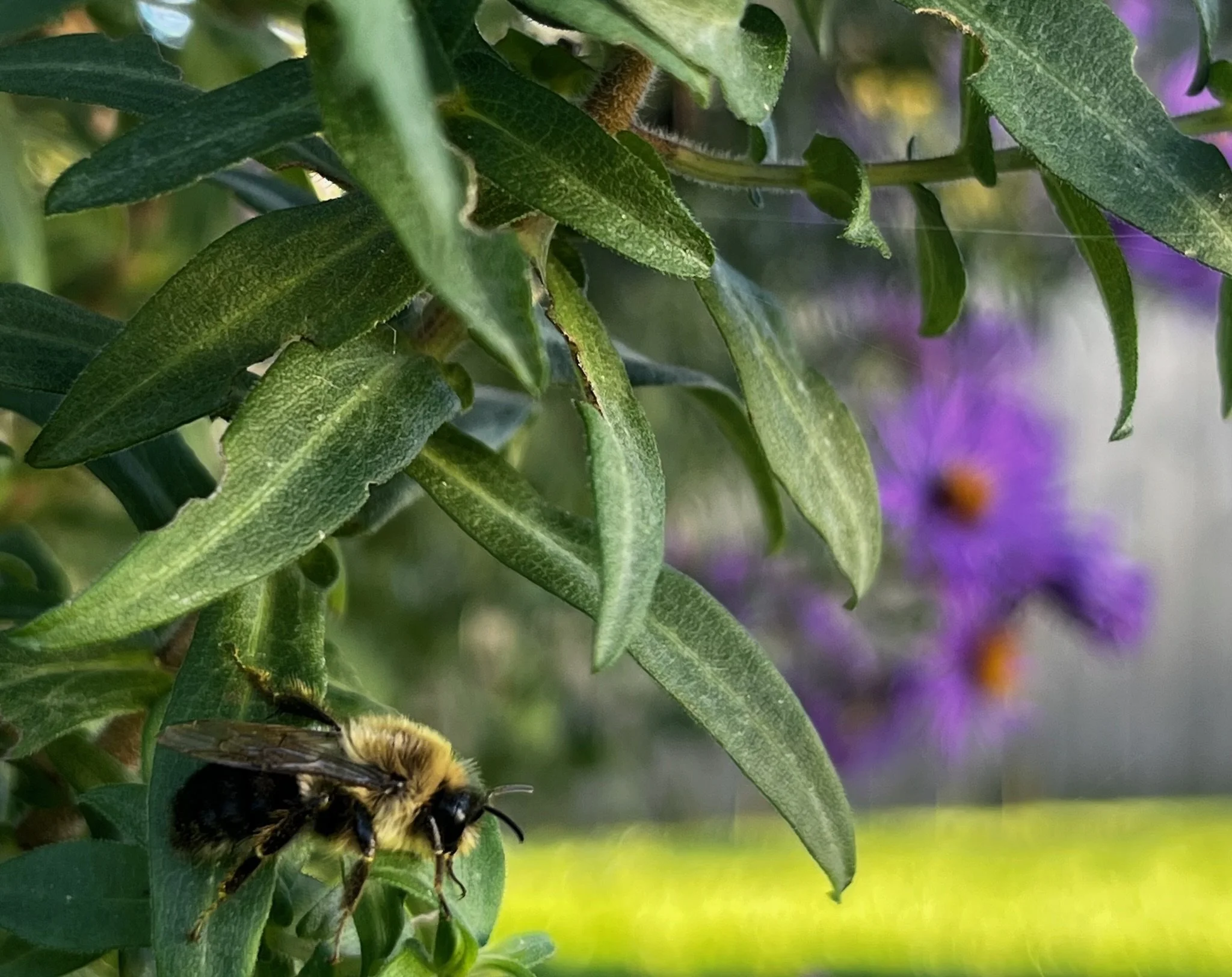
Like most asters, this species is highly beneficial to wildlife, acting as a host plant to over 100 butterfly and moth species, like the Pearl Crescent and Silvery Checkerspot. As many know, aster species also provide critical late-season nectar to native sweat bees, mason bees, leaf-cutter bees, bumblebees, syrphid flies, and various Lepidoptera species, including migrating Monarchs. Its highly nutritious seeds act a winter food source for songbirds (sparrows, towhees, finches, nuthatches, and chickadees) and for small rodents like the white-footed mouse. Leaves, flowers, and roots are edible to humans as well. And if that’s not enough, smooth aster’s pithy stems, when left standing, offer habitat for stem-nesting bees! Smooth aster is truly a must-have for the Michigan nature lover. We recommend pairing with grasses like little bluestem and/or switchgrass (both offering beautiful texture and color contrast, while also acting as a support structure) and with showy goldenrod, wreath goldenrod, black-eyed susan, and Joe-pye weed.
Height: 2-3’
Flower color: blue - purple
Bloom time: Aug - Oct
Sunlight: Full - partial sun
Wetness: medium - dry
Soil type: any well-drained soil
Attracts: birds, bees, butterflies, and more
Arguably one of the most garden-appropriate asters, Symphyotrichum laeve puts on a fall display similar to the renowned New England Aster, but with much less legginess and much more adaptability. Also known as “smooth aster” (because of its smooth leaves, which differ from most aster species), this species is relatively compact, especially after being browsed or “Chelsea chopped”. It typically grows to 2-3 feet in height and 1-3 feet in width and it produces loads of daisy-like lavender blue flowers with yellow centers throughout the fall season. In addition to its lovely form and showy flowers, it is also long-lived and non-aggressive, spreading only slowly by small rhizomes, which allow the plant to fill out a garden space well without taking over.
Like most asters, this species is highly beneficial to wildlife, acting as a host plant to over 100 butterfly and moth species, like the Pearl Crescent and Silvery Checkerspot. As many know, aster species also provide critical late-season nectar to native sweat bees, mason bees, leaf-cutter bees, bumblebees, syrphid flies, and various Lepidoptera species, including migrating Monarchs. Its highly nutritious seeds act a winter food source for songbirds (sparrows, towhees, finches, nuthatches, and chickadees) and for small rodents like the white-footed mouse. Leaves, flowers, and roots are edible to humans as well. And if that’s not enough, smooth aster’s pithy stems, when left standing, offer habitat for stem-nesting bees! Smooth aster is truly a must-have for the Michigan nature lover. We recommend pairing with grasses like little bluestem and/or switchgrass (both offering beautiful texture and color contrast, while also acting as a support structure) and with showy goldenrod, wreath goldenrod, black-eyed susan, and Joe-pye weed.
Height: 2-3’
Flower color: blue - purple
Bloom time: Aug - Oct
Sunlight: Full - partial sun
Wetness: medium - dry
Soil type: any well-drained soil
Attracts: birds, bees, butterflies, and more