 Image 1 of 5
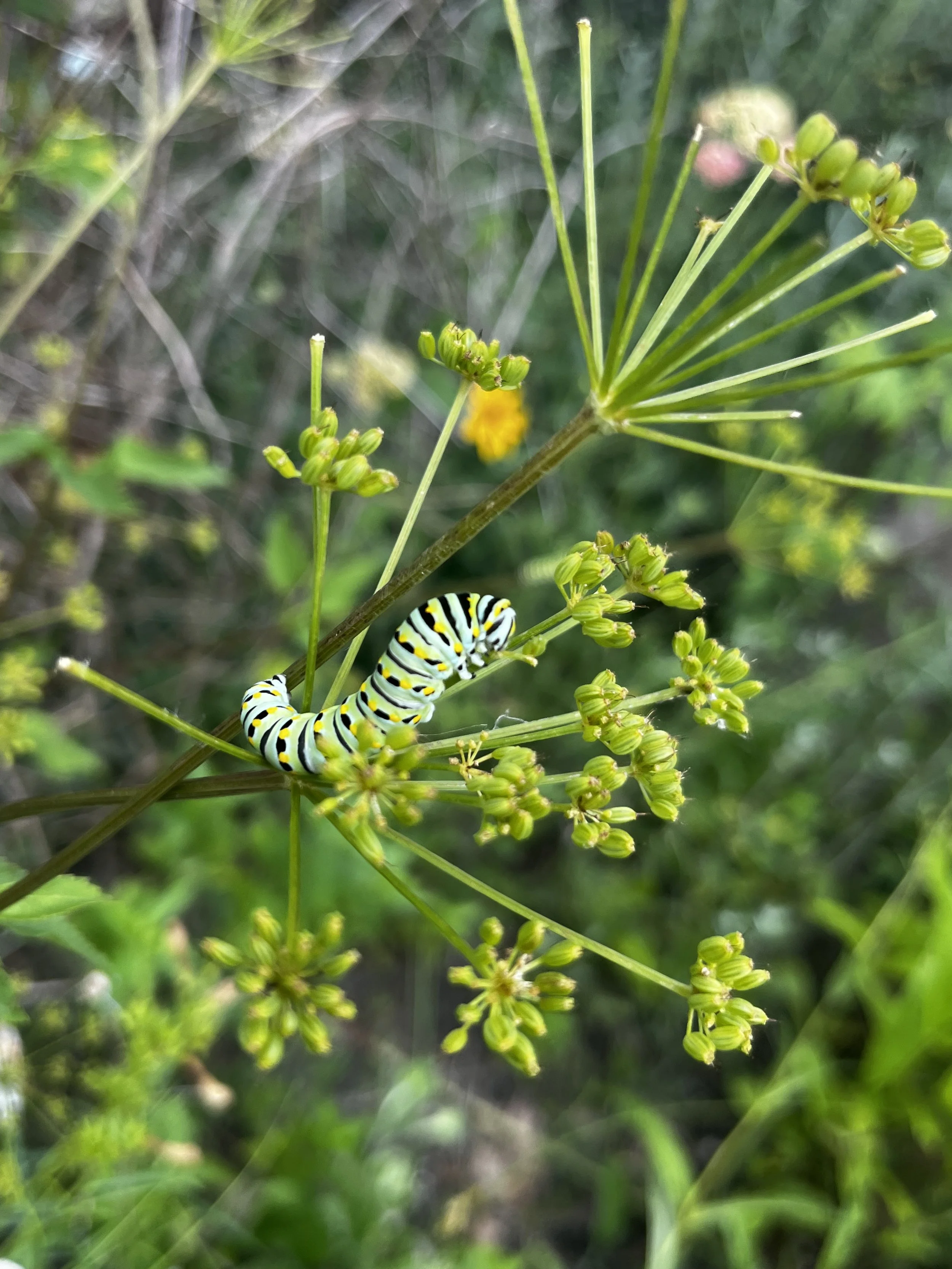 Image 2 of 5
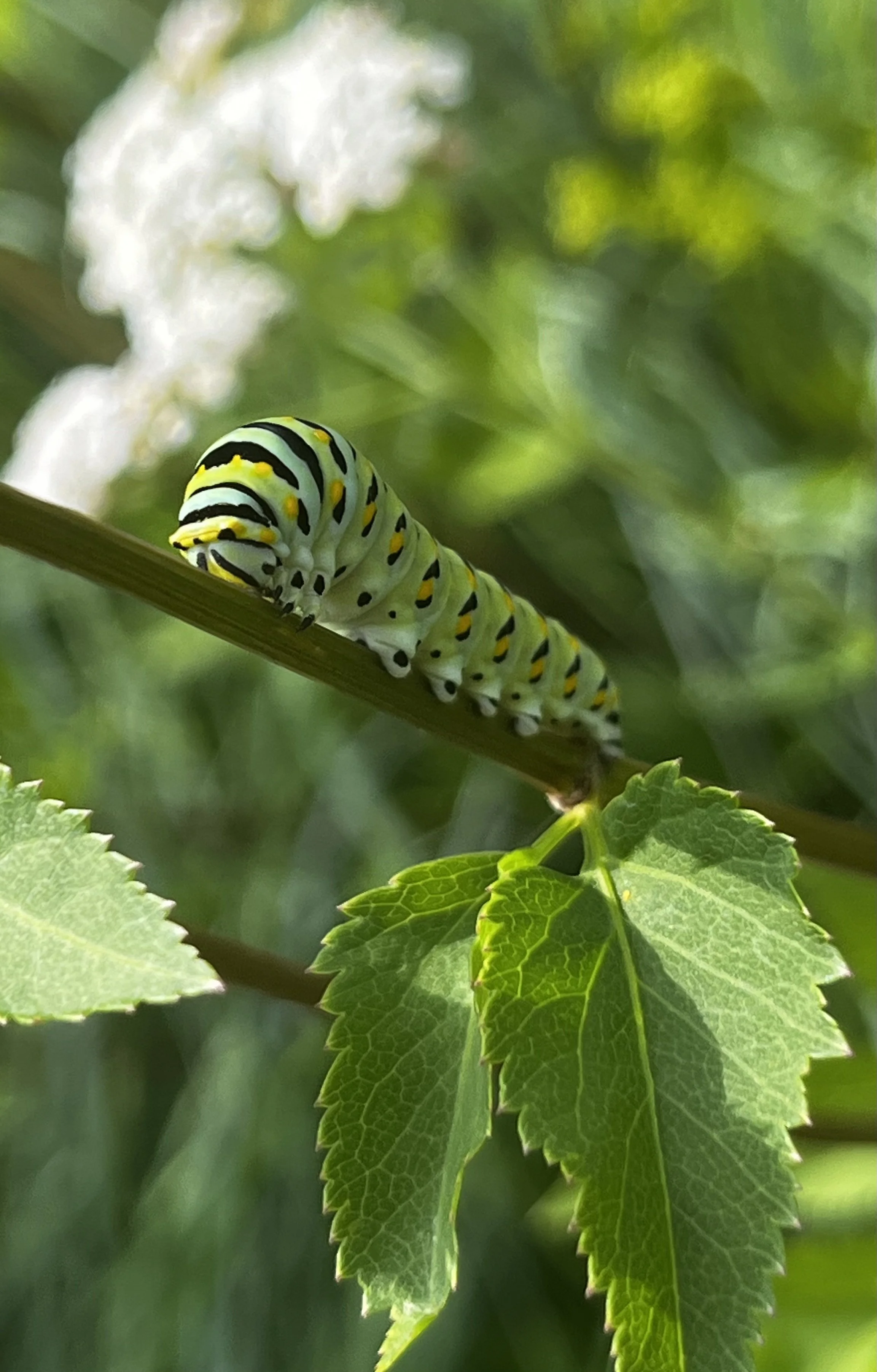 Image 3 of 5
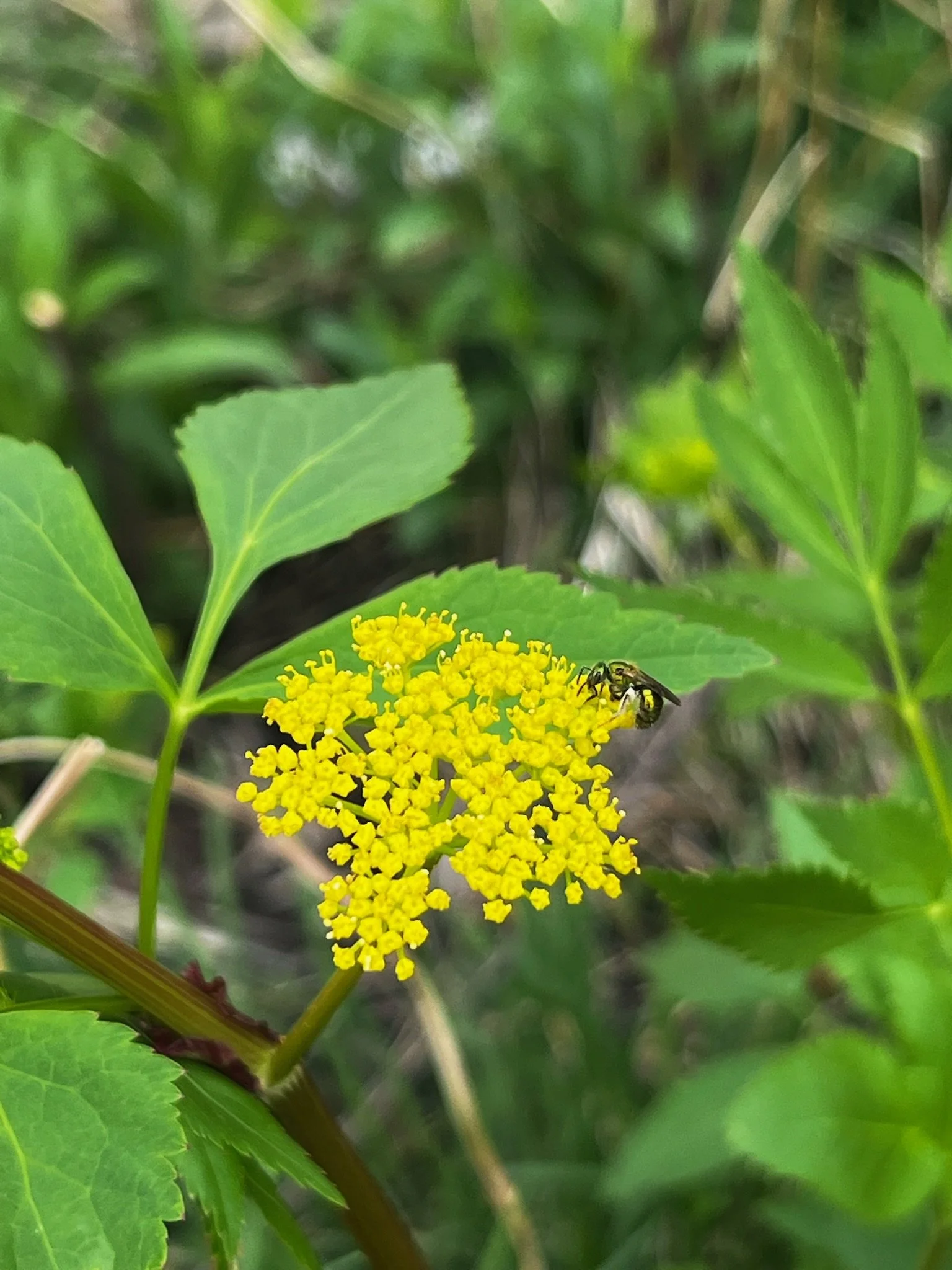 Image 4 of 5
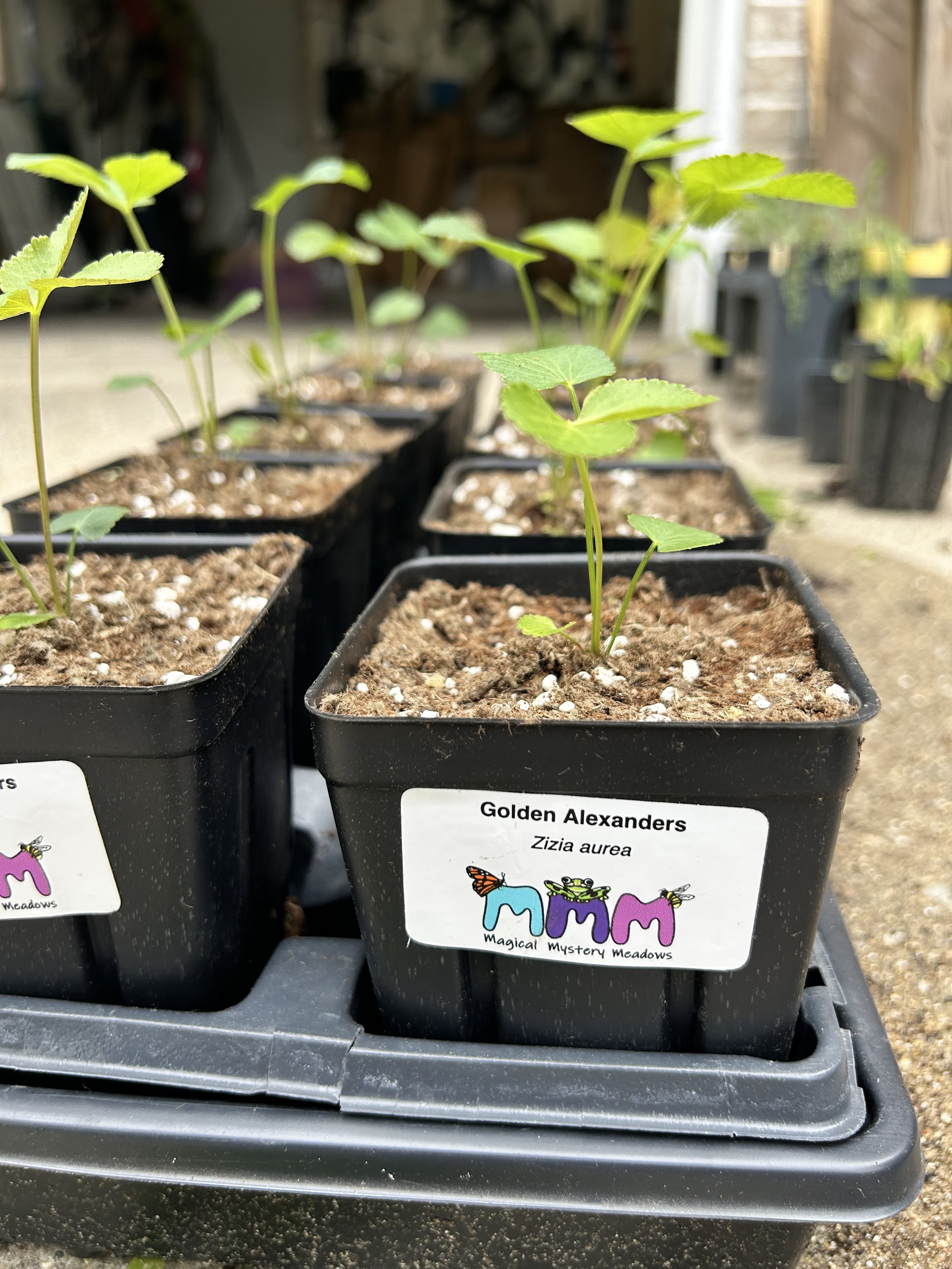 Image 5 of 5
Golden Alexanders is an excellent native perennial wildflower for beginners. It is low-maintenance and has a lovely, small, clumping habit, while also standing out due to its interesting texture. You may notice its familiar appearance - it is in the carrot family, and so is a relative of dill and fennel (and the invasive Queen Anne’s lace and ground elder as well). Easy to grow and adaptable to shade and dry-ish sites, this species really thrives on the wetter, sunnier side. In drier, shadier sites, it will be less aggressive, so you can use this to your advantage if you like.
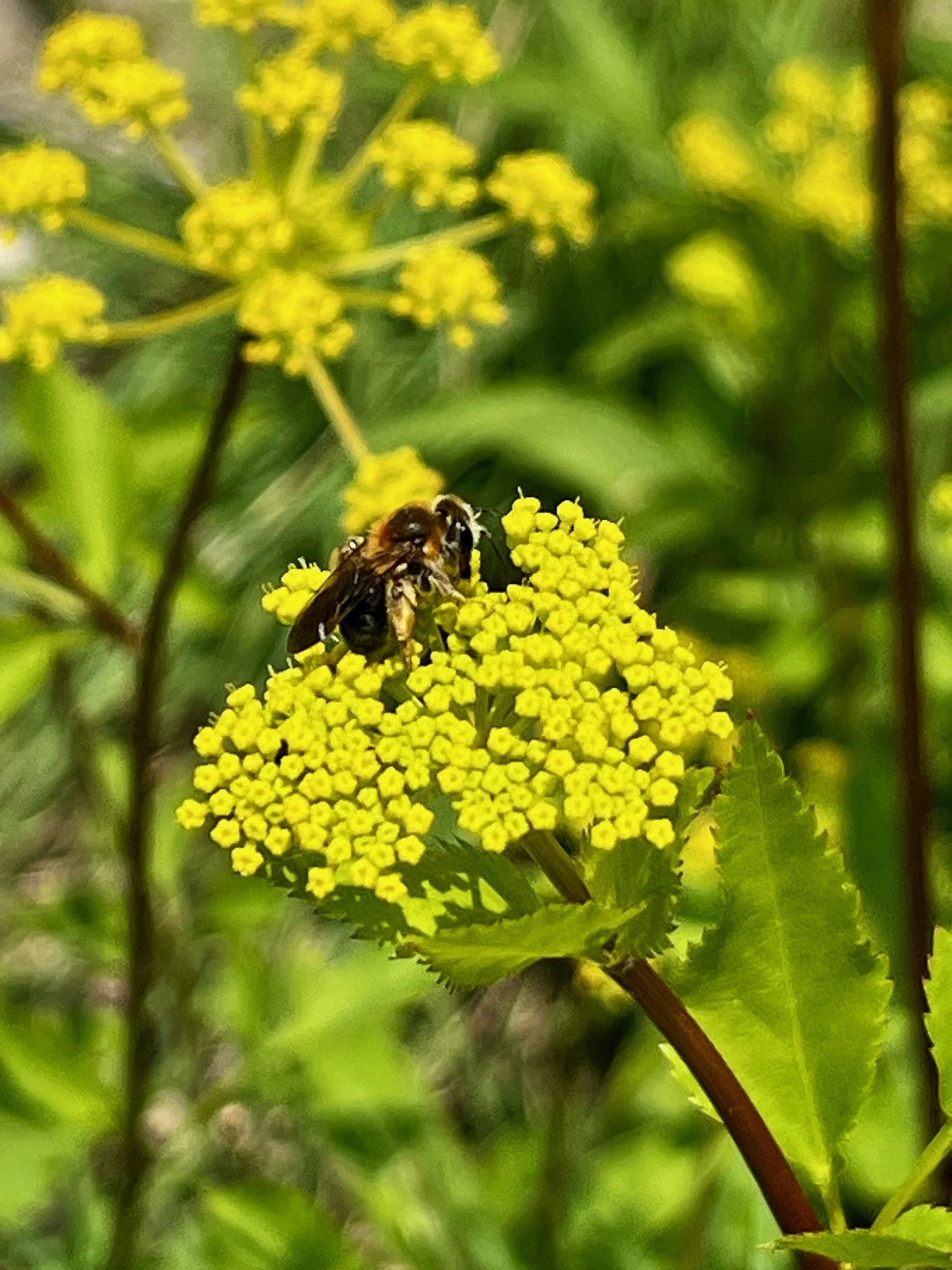
Umbrella-like flowers bloom in mid-late spring, supporting a wide range of insects with both pollen and nectar. Native short-tongued bees, masked bees, metallic green bees, and miner bees are frequent visitors. One specialist miner bee, Golden alexanders andrena, Andrena ziziae, uses only Zizia pollen for offspring provisions. Many beneficial predator wasps, soldier beetles, ebony bugs, flies, and Azure butterflies visit the flowers as well. Zizea aurea supports wildlife further by acting as a larval host plant for Black Swallowtail and the Ozark swallowtail (note this species is not found in Michigan) as well as the Rigid sunflower borer moth. In late summer, songbirds dine on the seeds. This plant is considered deer and rabbit resistant.
Meskwaki Native Americans used roots for treatment of fevers and mixed dried, powdered flower stalks into headache treatment. Digestive issues and skin ailments are also sited as conditions which Zizeaaurea was used to treat. Flowers with the main stem removed can be added as a garnish to salads. Leaves can be eaten raw. Young stems with our without flowers can be boiled or sautéed with butter and salt, and are noted as having a broccoli or celery - like flavor. 100% positive identification is very important before consuming at your own risk.
Sun: full sun - shade
Height: 1-3’
Flower color: yellow
Bloom time: May - June
Wetness: medium wet - medium dry
Soil: tolerates a variety of soils including loamy, sandy, gravely, clay. Needs some drainage, but can handle flooding.
Golden Alexanders is an excellent native perennial wildflower for beginners. It is low-maintenance and has a lovely, small, clumping habit, while also standing out due to its interesting texture. You may notice its familiar appearance - it is in the carrot family, and so is a relative of dill and fennel (and the invasive Queen Anne’s lace and ground elder as well). Easy to grow and adaptable to shade and dry-ish sites, this species really thrives on the wetter, sunnier side. In drier, shadier sites, it will be less aggressive, so you can use this to your advantage if you like.
Umbrella-like flowers bloom in mid-late spring, supporting a wide range of insects with both pollen and nectar. Native short-tongued bees, masked bees, metallic green bees, and miner bees are frequent visitors. One specialist miner bee, Golden alexanders andrena, Andrena ziziae, uses only Zizia pollen for offspring provisions. Many beneficial predator wasps, soldier beetles, ebony bugs, flies, and Azure butterflies visit the flowers as well. Zizea aurea supports wildlife further by acting as a larval host plant for Black Swallowtail and the Ozark swallowtail (note this species is not found in Michigan) as well as the Rigid sunflower borer moth. In late summer, songbirds dine on the seeds. This plant is considered deer and rabbit resistant.
Meskwaki Native Americans used roots for treatment of fevers and mixed dried, powdered flower stalks into headache treatment. Digestive issues and skin ailments are also sited as conditions which Zizeaaurea was used to treat. Flowers with the main stem removed can be added as a garnish to salads. Leaves can be eaten raw. Young stems with our without flowers can be boiled or sautéed with butter and salt, and are noted as having a broccoli or celery - like flavor. 100% positive identification is very important before consuming at your own risk.
Sun: full sun - shade
Height: 1-3’
Flower color: yellow
Bloom time: May - June
Wetness: medium wet - medium dry
Soil: tolerates a variety of soils including loamy, sandy, gravely, clay. Needs some drainage, but can handle flooding.