 Image 1 of 3
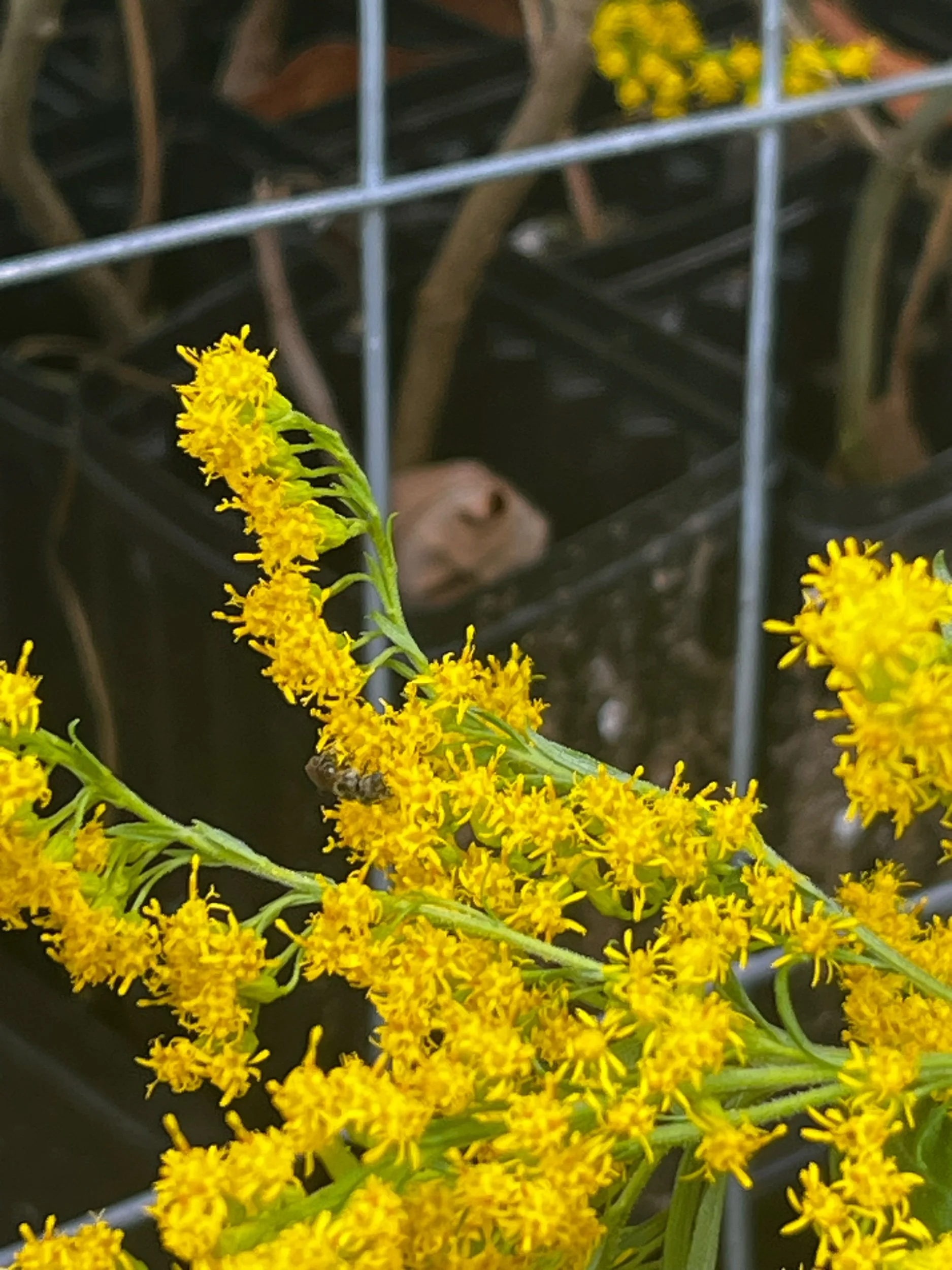 Image 2 of 3
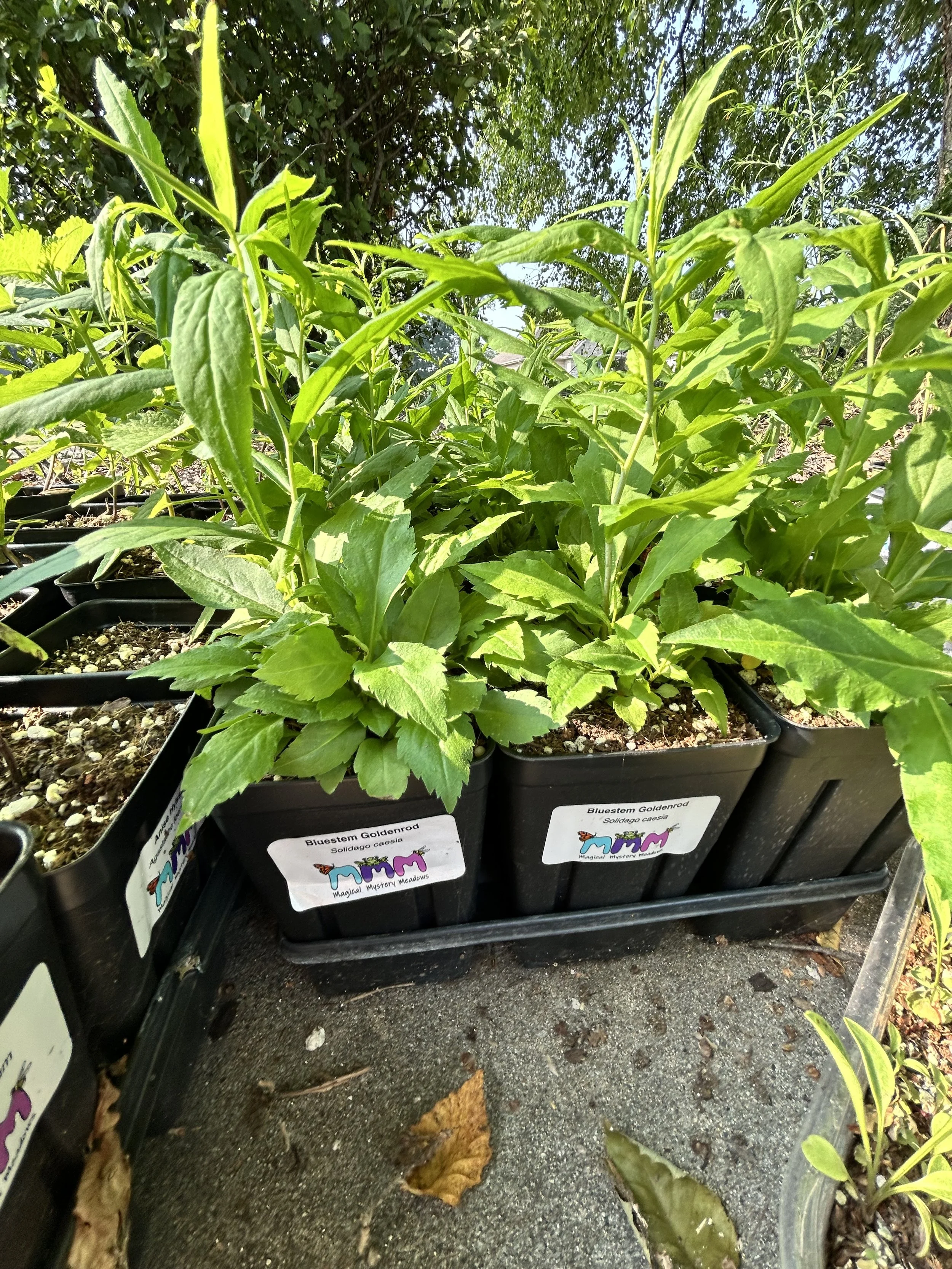 Image 3 of 3
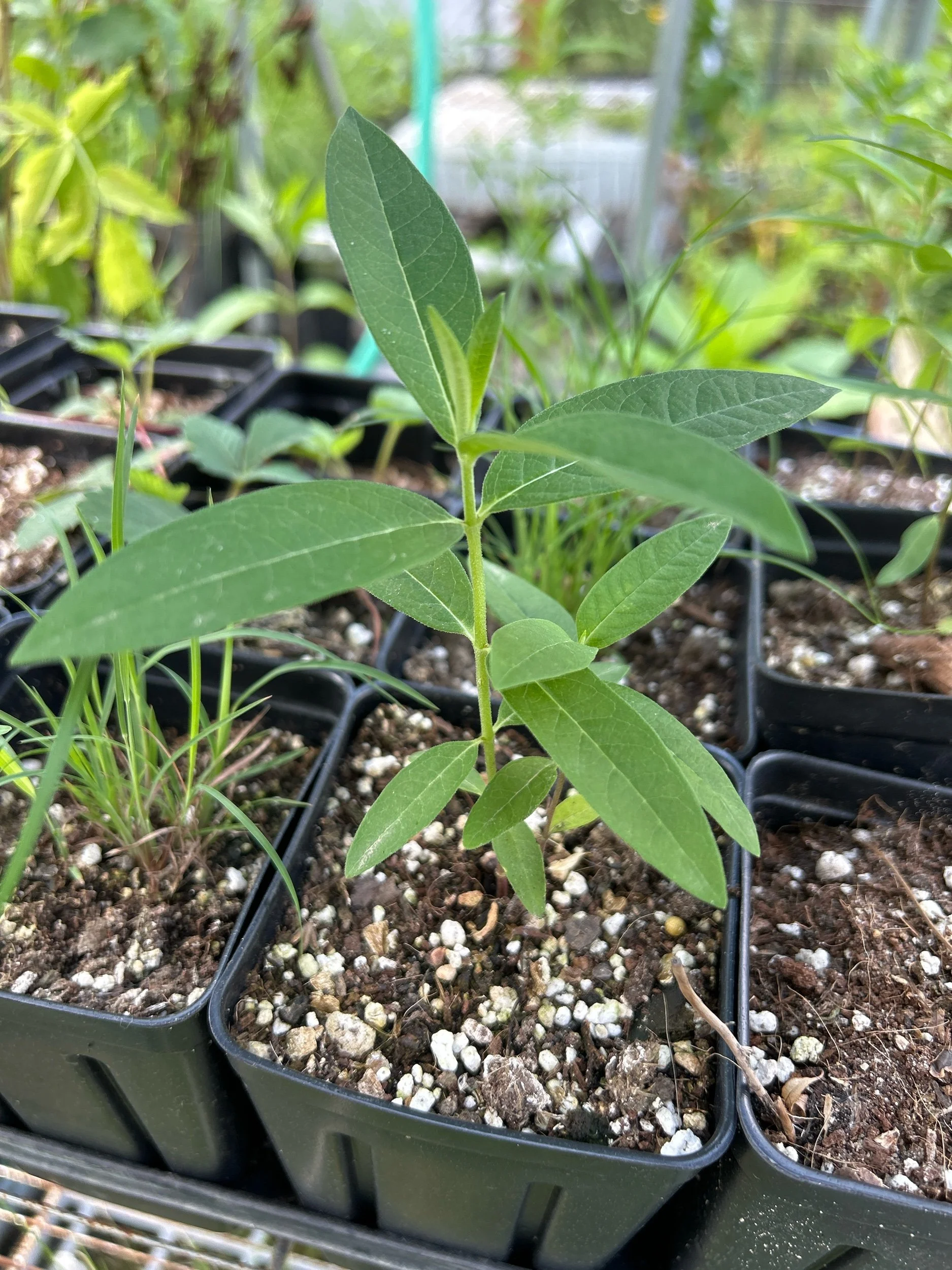
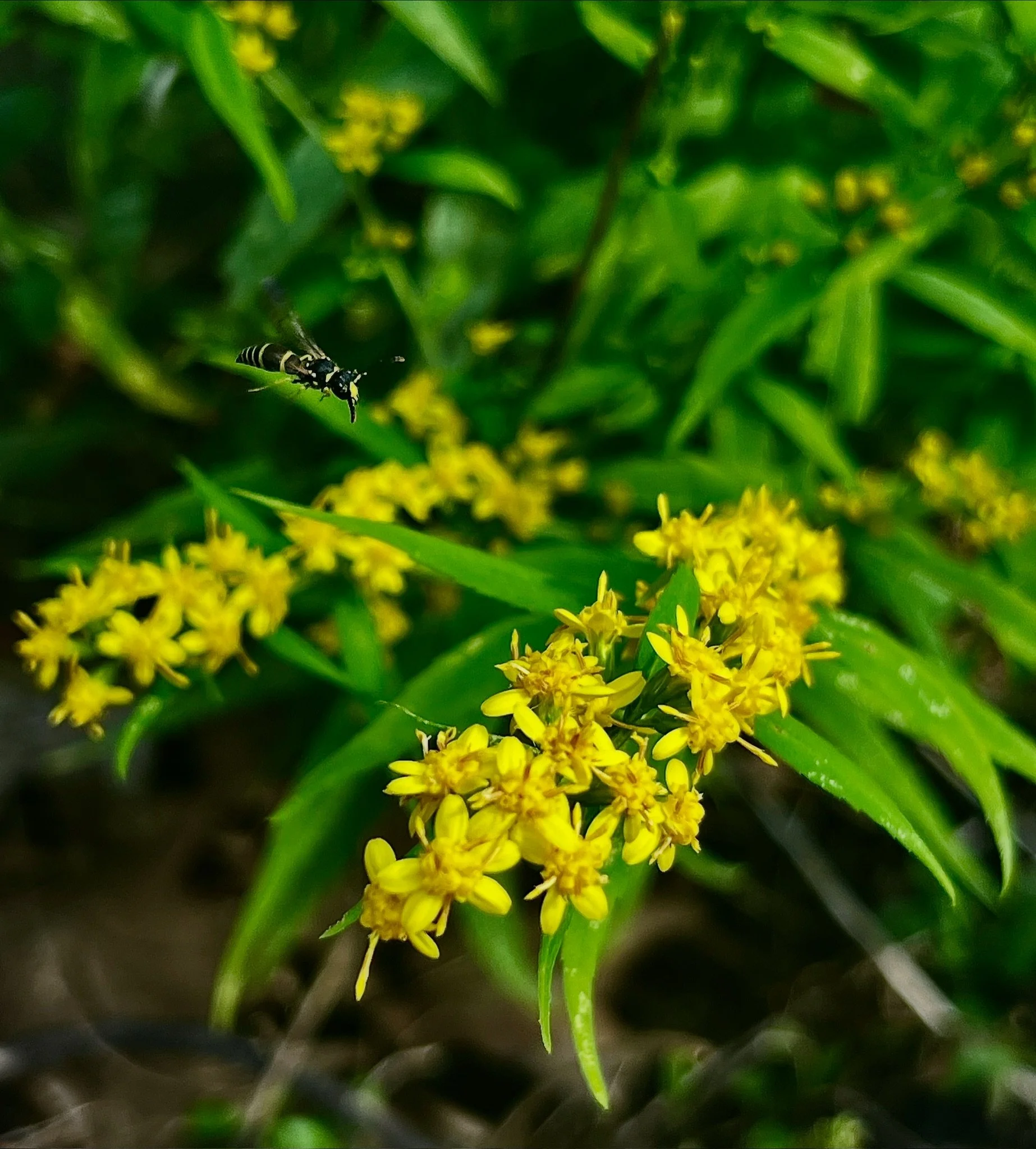
One of the few shade-tolerant goldenrods, Solidago caesia is a well-behaved, short (1-3’) and stout species which is suitable for any home landscape. Another common name for Bluestem Goldenrod is “Wreath Goldenrod”, a name which is given because of its arching stems with spiral “wreaths” of yellow flowers.
Though its appearance and shade-tolerance differ from other goldenrods, its wildlife value does not. Goldenrods are debatably the most valuable perennial herbaceous plant genus in Michigan, serving as a host plant for over 100 species of butterflies and moths, and offering critical late fall nectar and pollen for native bees, beetles, and butterflies, including migrating Monarchs. In winter, various songbird species, such as White-throated sparrows, American goldfinches, Dark-eyed juncos, and Pine siskins consume the seeds.
Goldenrods have a rich history of usage with native peoples as well. Cherokee used goldenrods for treating various skin conditions, wounds, fevers, and and toothaches. Leaves were used by some tribes as a tea substitute and in “love medicine”. The Latin “solidago” is formed from solidus, which means “whole” and ago, which means “to make”. It was believed that healing properties of these plants “makes one whole”.
Note that goldenrod pollen is NOT carried by wind - it is large and sticky, relying on insect pollination, and has nothing to do with fall allergies. The plants have been mistakenly associated with ragweed, a completely different plant which disperses pollen by wind.
Sun: part sun - full shade
Height: 1-3’
Flower color: yellow
Bloom time: August - October
Wetness: medium wet - medium dry
Root system: fibrous
Soil: any well drained soil
One of the few shade-tolerant goldenrods, Solidago caesia is a well-behaved, short (1-3’) and stout species which is suitable for any home landscape. Another common name for Bluestem Goldenrod is “Wreath Goldenrod”, a name which is given because of its arching stems with spiral “wreaths” of yellow flowers.
Though its appearance and shade-tolerance differ from other goldenrods, its wildlife value does not. Goldenrods are debatably the most valuable perennial herbaceous plant genus in Michigan, serving as a host plant for over 100 species of butterflies and moths, and offering critical late fall nectar and pollen for native bees, beetles, and butterflies, including migrating Monarchs. In winter, various songbird species, such as White-throated sparrows, American goldfinches, Dark-eyed juncos, and Pine siskins consume the seeds.
Goldenrods have a rich history of usage with native peoples as well. Cherokee used goldenrods for treating various skin conditions, wounds, fevers, and and toothaches. Leaves were used by some tribes as a tea substitute and in “love medicine”. The Latin “solidago” is formed from solidus, which means “whole” and ago, which means “to make”. It was believed that healing properties of these plants “makes one whole”.
Note that goldenrod pollen is NOT carried by wind - it is large and sticky, relying on insect pollination, and has nothing to do with fall allergies. The plants have been mistakenly associated with ragweed, a completely different plant which disperses pollen by wind.
Sun: part sun - full shade
Height: 1-3’
Flower color: yellow
Bloom time: August - October
Wetness: medium wet - medium dry
Root system: fibrous
Soil: any well drained soil