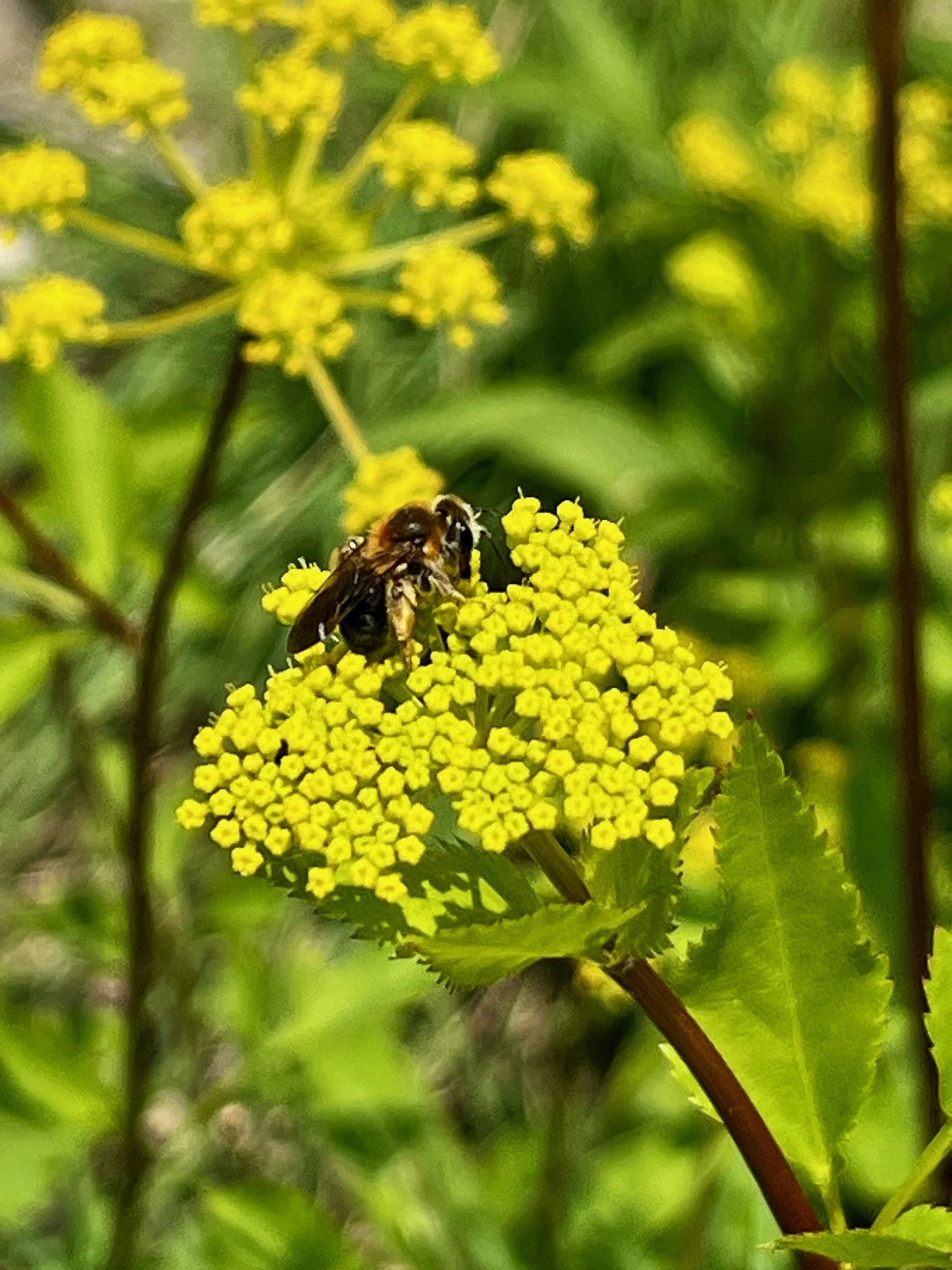
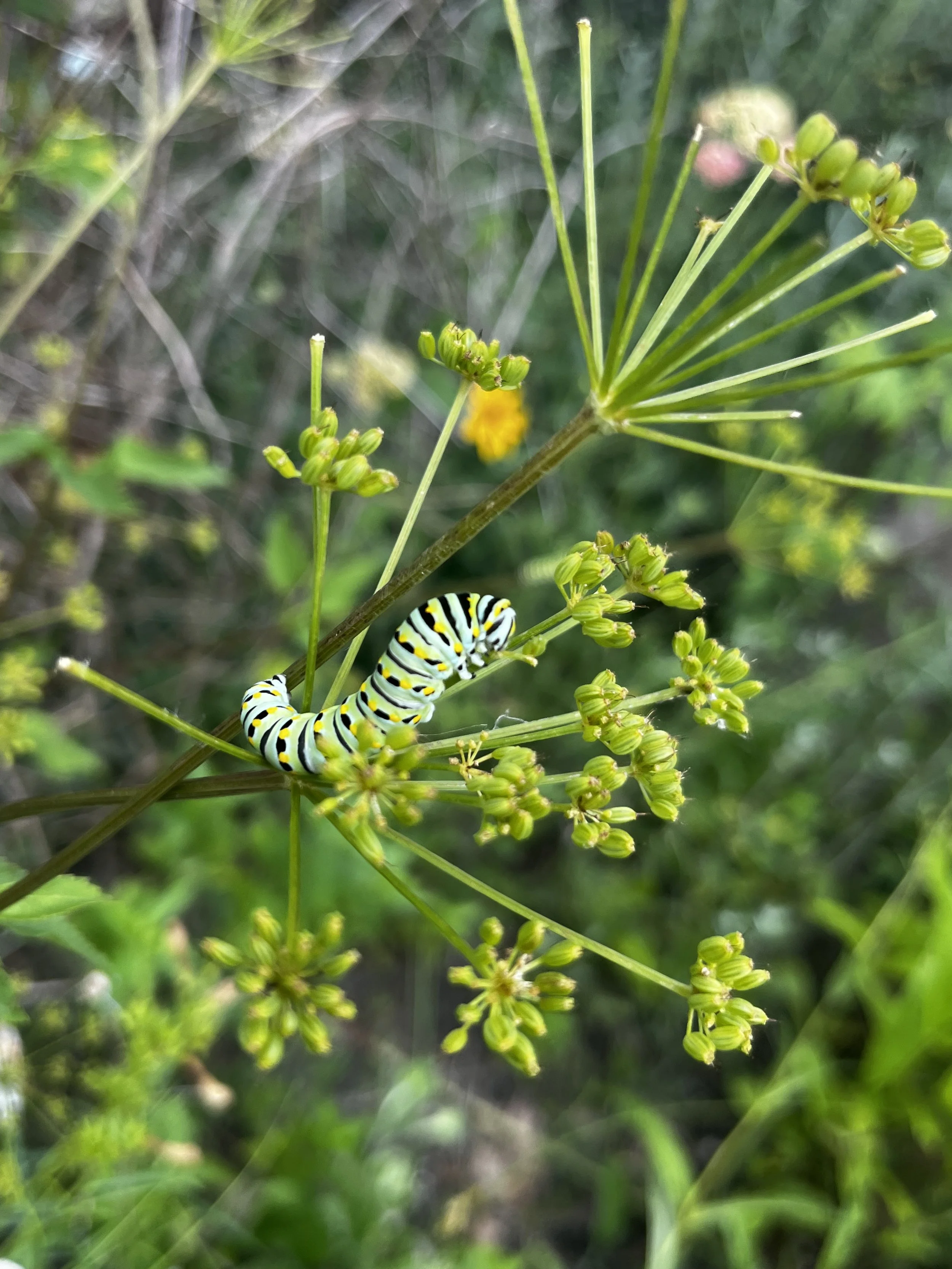
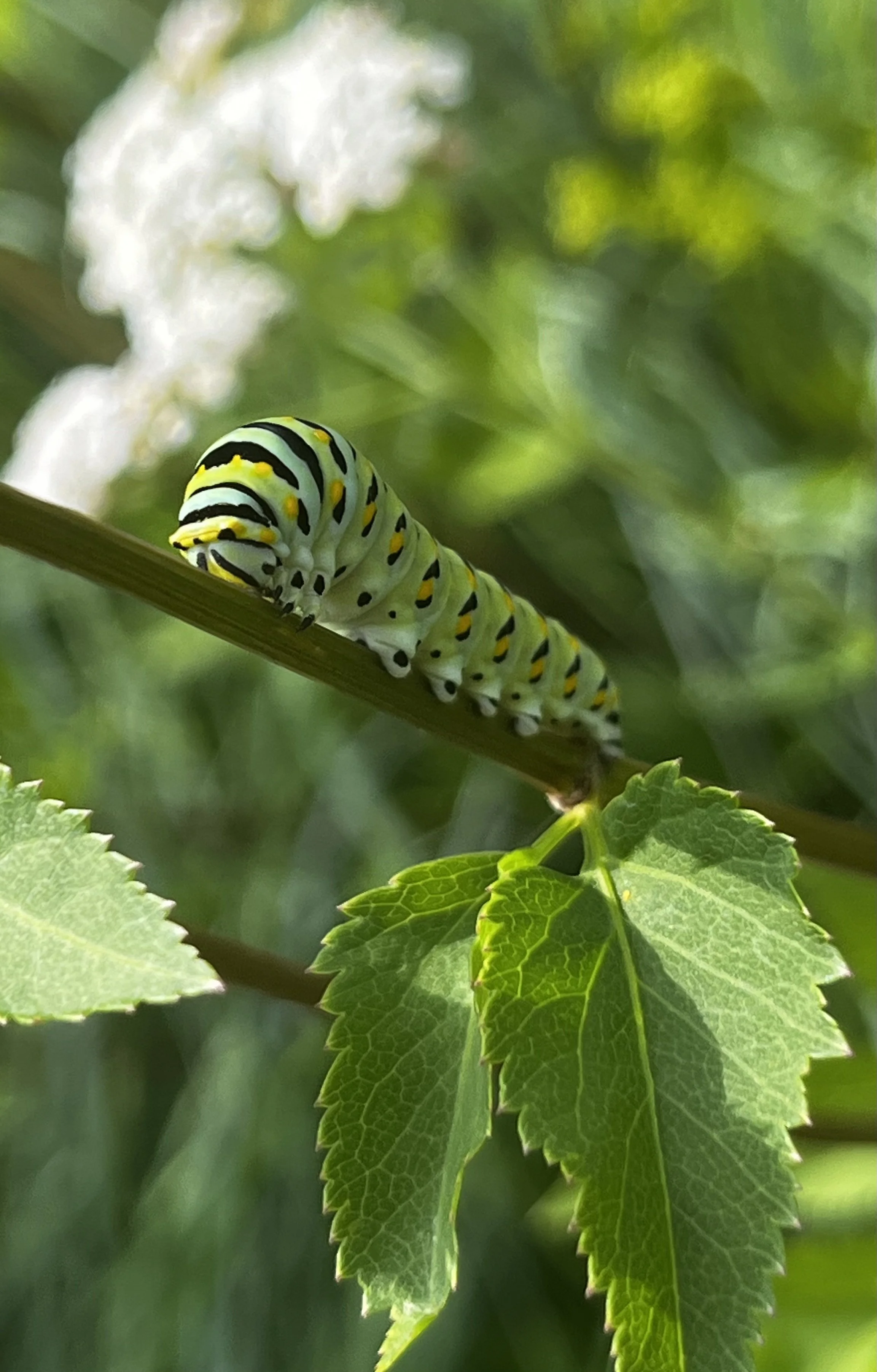
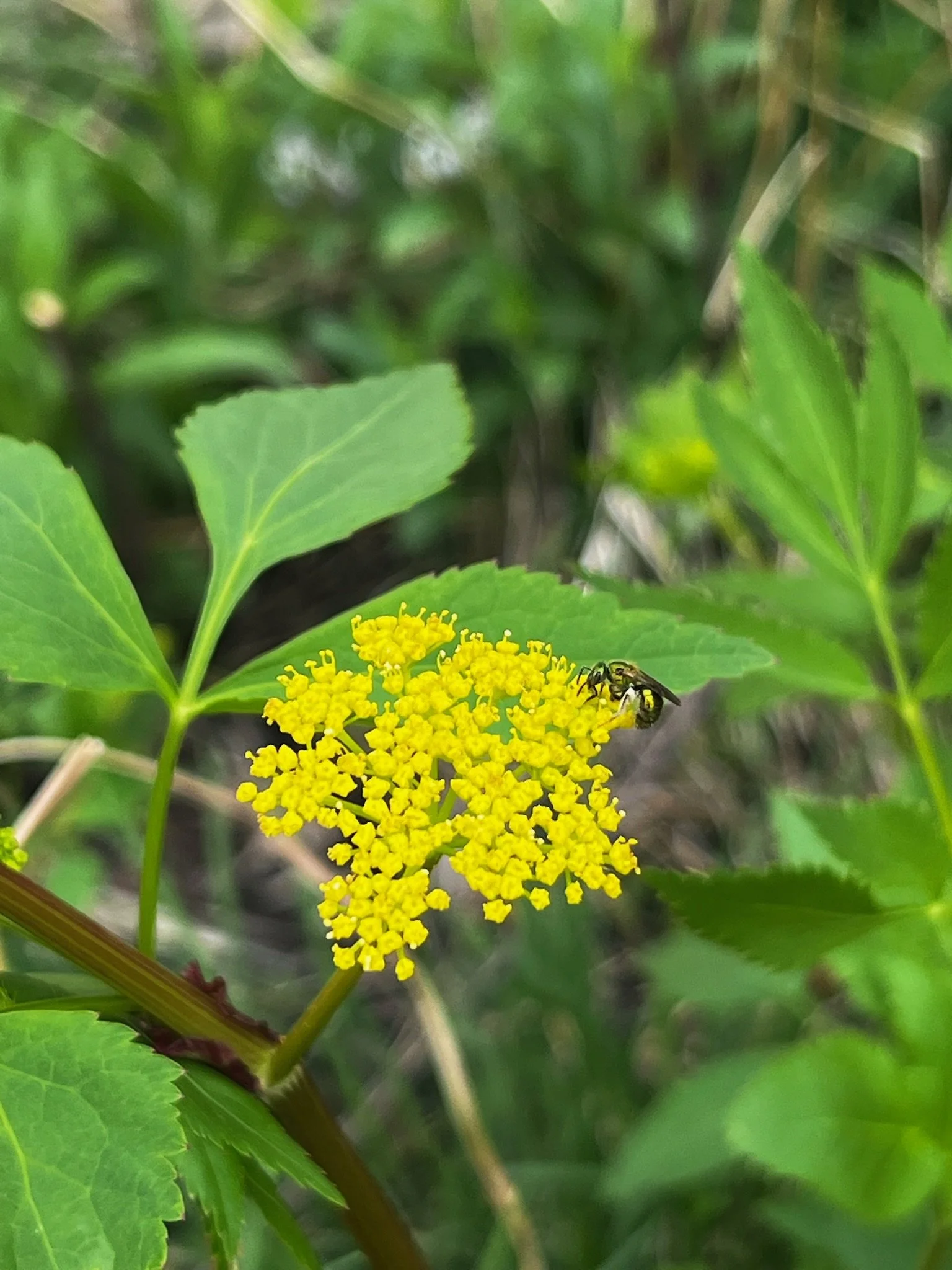
Beautiful, tall and upright perennial plant plant with candelabra-like white flowers. This plant is drought-tolerant, deer and disease resistant, adaptable, long-lived, and easy to grow. It prefers medium-wet, well drained soil, making it perfect for rain gardens and partly shaded backdrops. Not only is it beautiful, but it is also highly beneficial to a wide variety of pollinators, including native bees, butterflies (including Monarchs), and even hummingbirds. It even serves as a host plant for the Burdock borer moth, the Metallic Coleophora moth, and the Culver’s root borer moth, a species of special concern in Michigan.
Native Americans used this plant for medicinal qualities, according to psu.edu. “The Cherokee used it as a tea for backaches, fever, typhus, and other ailments; the Seneca used it as a laxative; and the Menomini used it to purge the body of evil spirits.”
Height: 3-6’
Flower color: White
Bloom time: June - September
Sun: Full sun - part shade
Wetness: medium dry - medium wet
Soil type: loamy, sandy, and/or clay
Root system: tap root
Beautiful, tall and upright perennial plant plant with candelabra-like white flowers. This plant is drought-tolerant, deer and disease resistant, adaptable, long-lived, and easy to grow. It prefers medium-wet, well drained soil, making it perfect for rain gardens and partly shaded backdrops. Not only is it beautiful, but it is also highly beneficial to a wide variety of pollinators, including native bees, butterflies (including Monarchs), and even hummingbirds. It even serves as a host plant for the Burdock borer moth, the Metallic Coleophora moth, and the Culver’s root borer moth, a species of special concern in Michigan.
Native Americans used this plant for medicinal qualities, according to psu.edu. “The Cherokee used it as a tea for backaches, fever, typhus, and other ailments; the Seneca used it as a laxative; and the Menomini used it to purge the body of evil spirits.”
Height: 3-6’
Flower color: White
Bloom time: June - September
Sun: Full sun - part shade
Wetness: medium dry - medium wet
Soil type: loamy, sandy, and/or clay
Root system: tap root


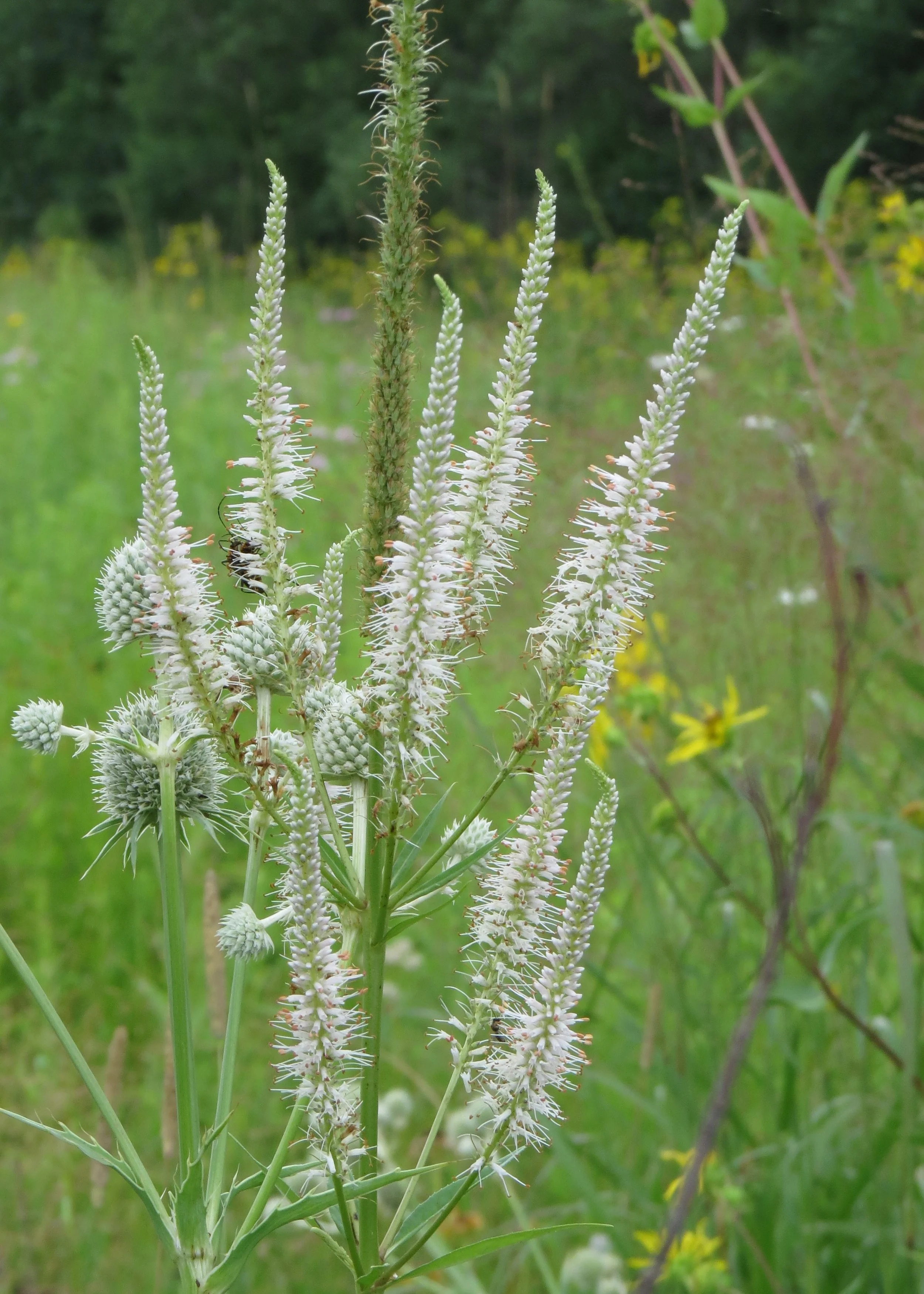 Image 1 of 3
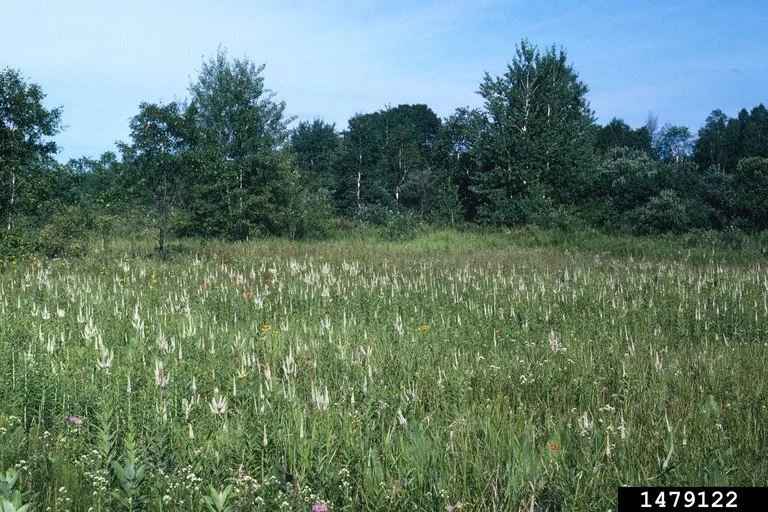 Image 2 of 3
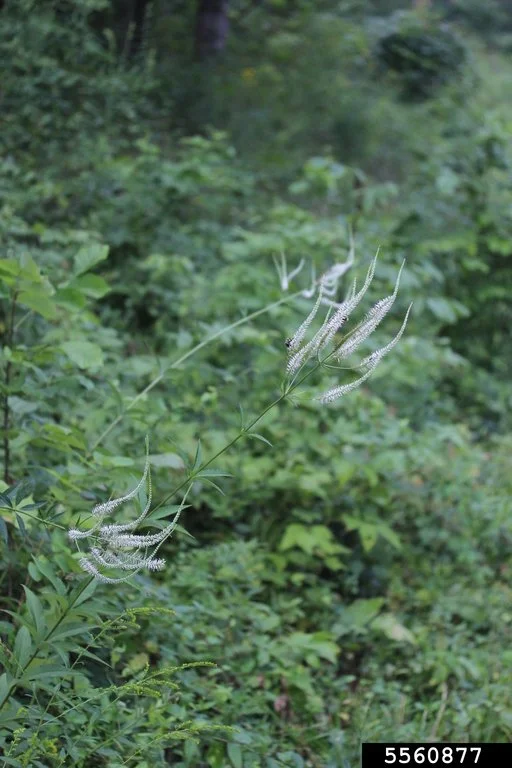 Image 3 of 3