 Image 1 of 5
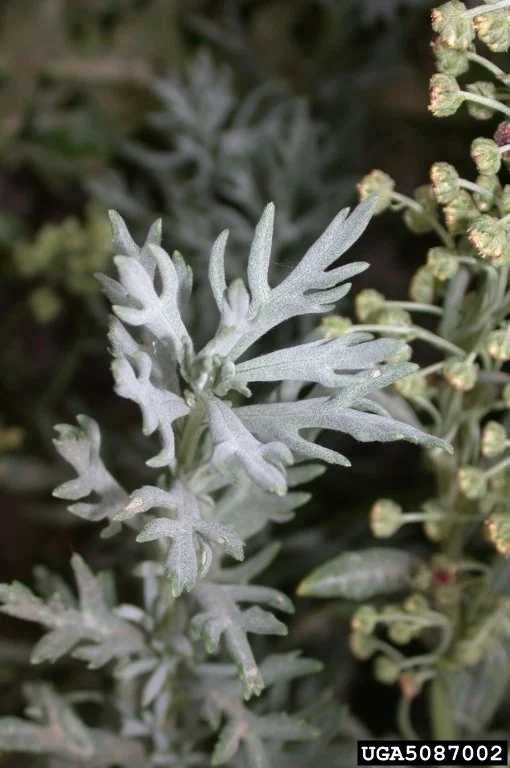 Image 2 of 5
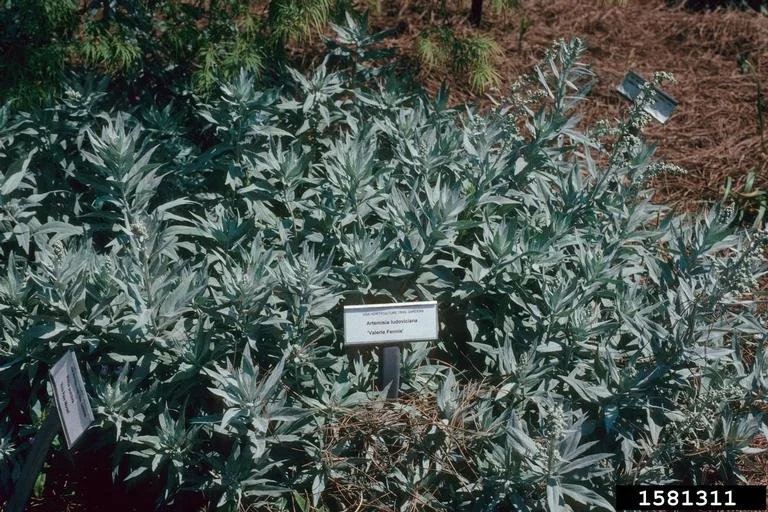 Image 3 of 5
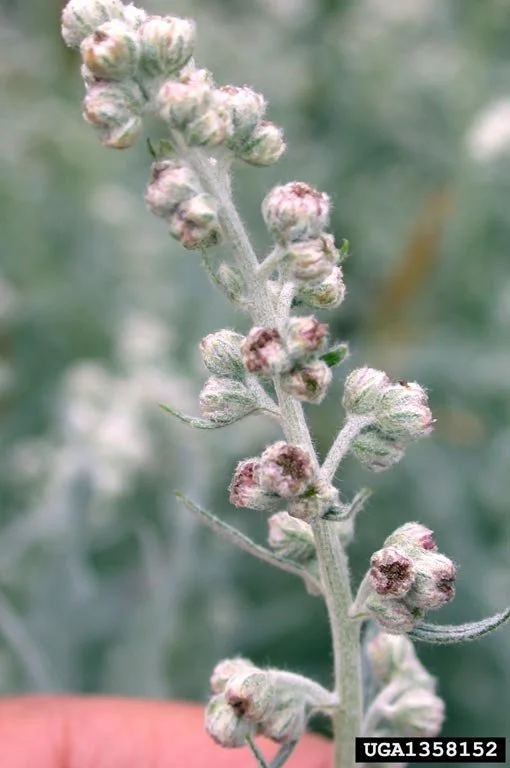 Image 4 of 5
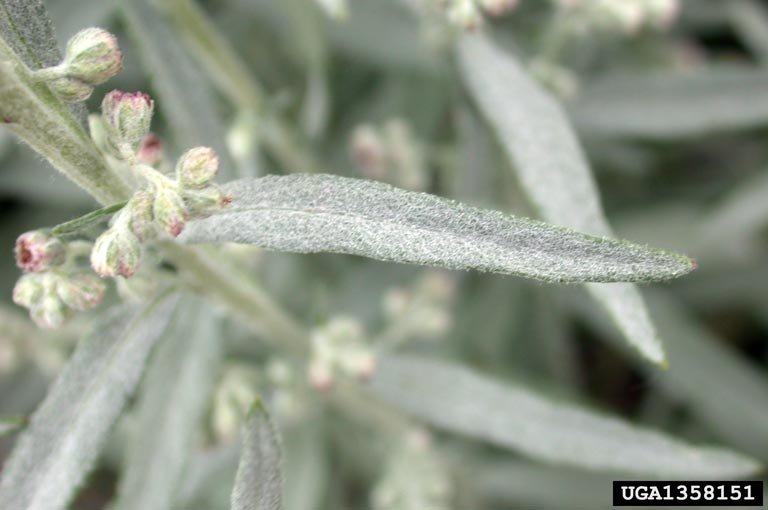 Image 5 of 5
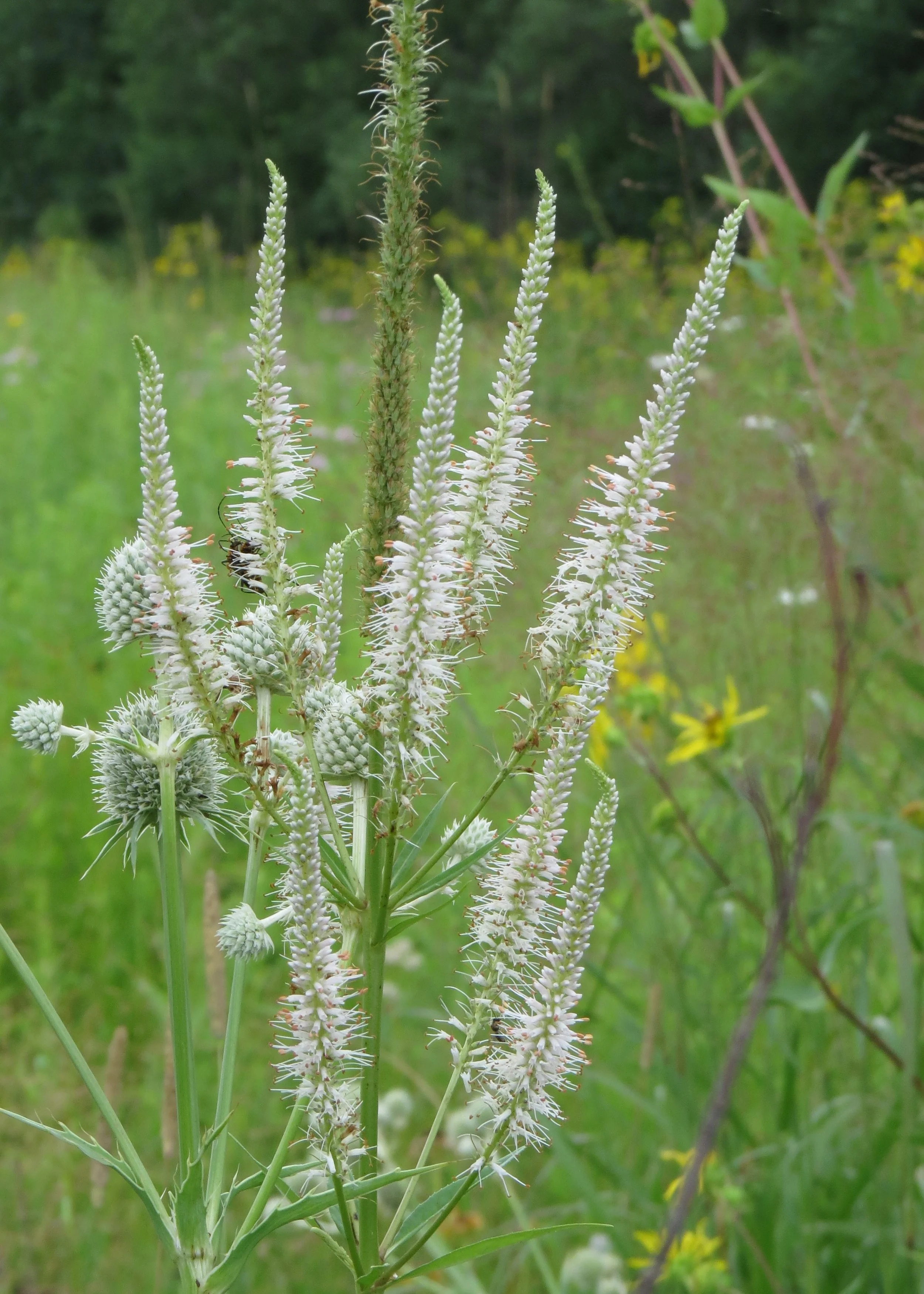
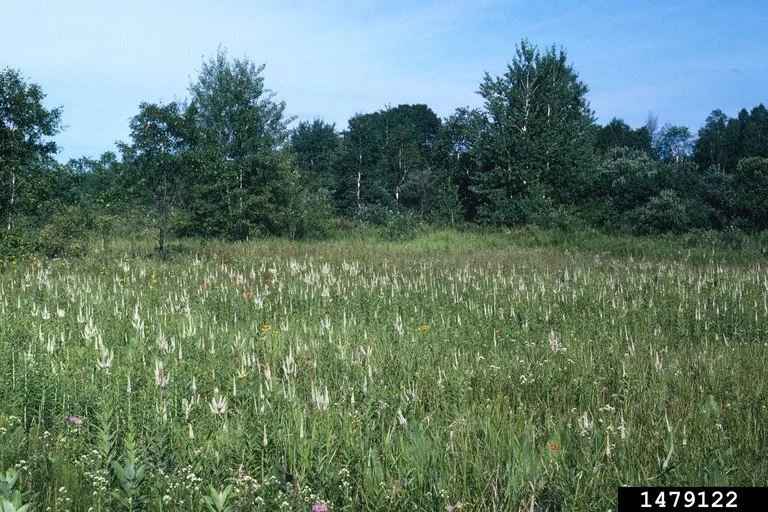
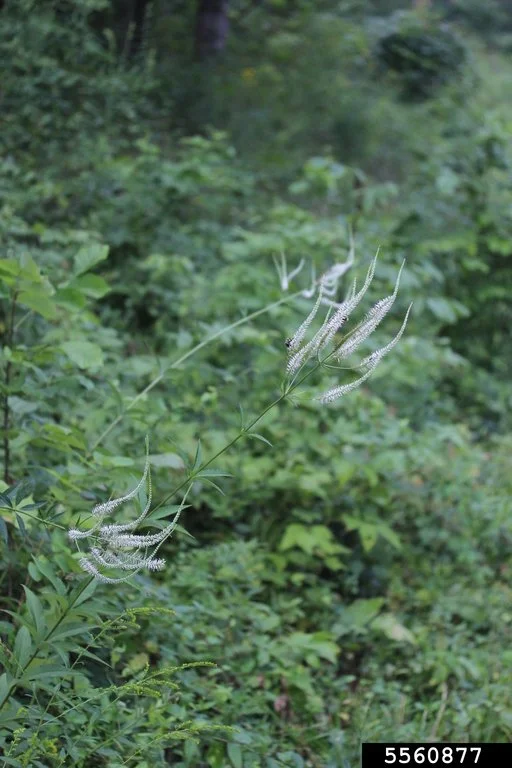
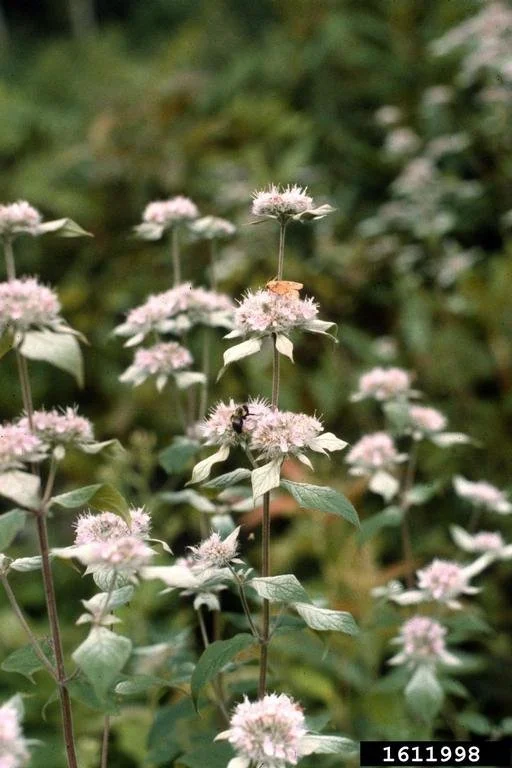
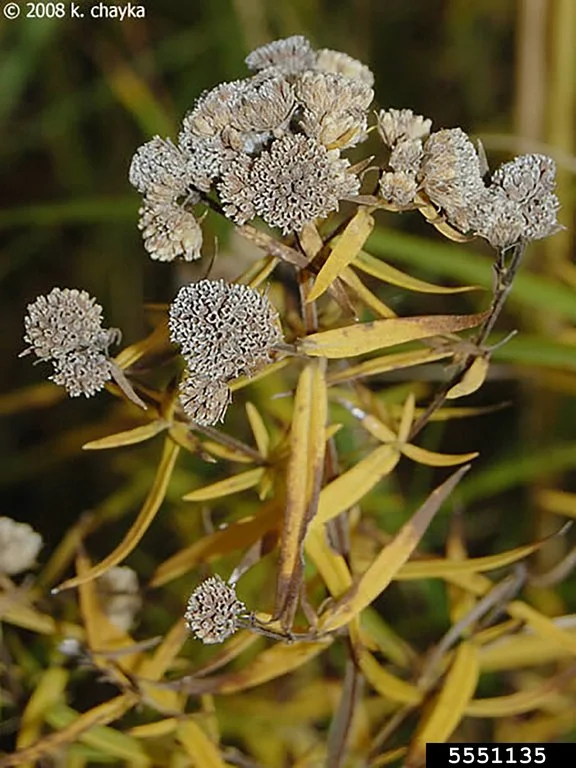
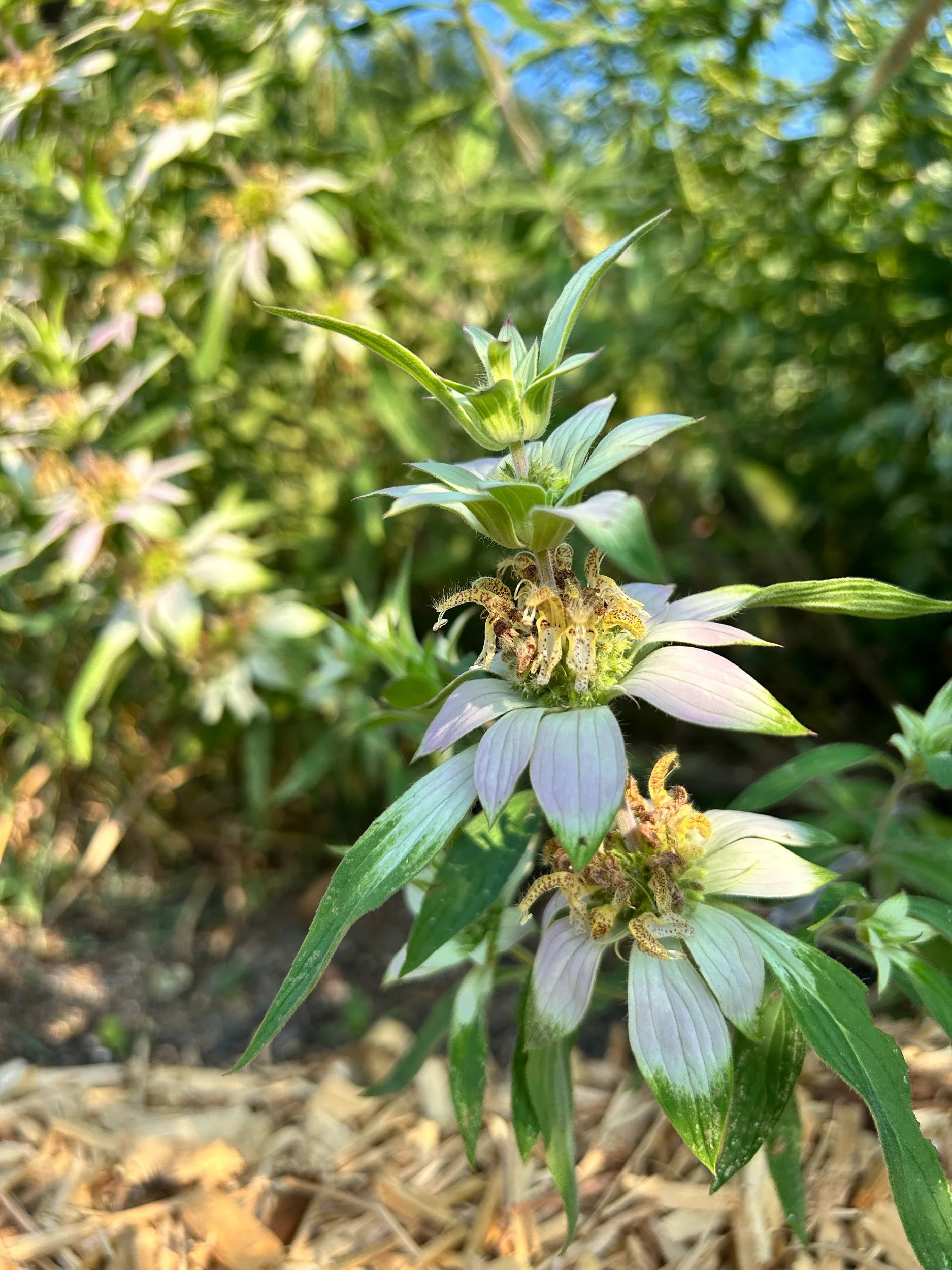
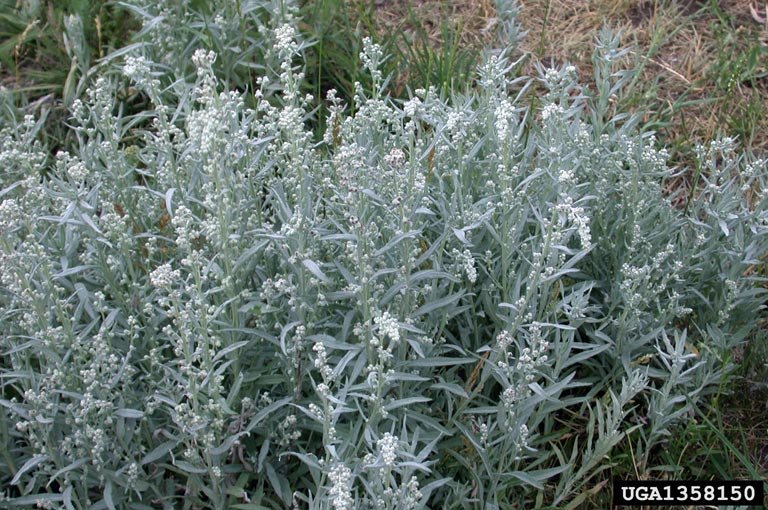
Prairie sage, aka “White Sagebrush”, is an attractive silver-green leaved ground cover which forms dense colonies. Though it may not be suitable for small formal gardens, its aggressive, low-maintenance, drought-tolerant nature makes it an excellent stabilizer for sandy, rocky slopes. The leaves are soft and fuzzy and the color is distinctly beautiful and uniquely contrasting in open landscapes.
Wildlife value of this species is considered moderate to high. Its flowers, though wind pollinated (beware: can cause hay fever to those allergic), are attractive to various pollinators, and its foliage hosts Painted Lady and American Lady butterflies, as well as the Benign Borer Moth. Its dead stems provide nesting structure for native bees.
This plant is edible and has a pleasant aroma to humans, especially when burned… and as a bonus, the strong scent repels mosquitoes and deer! Several Native American tribes used bundled “estafiate” plants (today called “Sage bundles”) for “smudging” incense in healing and cleansing ceremonies.
Artemesia ludoviciana is believed to have many medicinal properties as well. Crushed leaves have been used as snuff for sinus ailments, and dried leaf tea has been used for stomach troubles. Root tea can be used as a laxative and diuretic. Cut stalks can be used in wreaths and flower arrangements. According to the Center for Traditional Medicine, “its aerial parts contain over 70 bioactive compounds, including camphor, limonene, estafiatin, ludovicin, and flavonoids such as eupatilin and jaceosidin. These compounds exhibit antibacterial, antiprotozoal, antidiarrheal, and vasorelaxant properties. The plant has been shown to reduce pain, inflammation, and sensitivity while also potentially lowering blood sugar levels (Palacios-Espinosa et al., 2021).” Uses for treating acne, rough skin, and eczema are also documented.
Sun: full
Height: 1-3’
Flower color: yellowish-green
Bloom time: June -September
Wetness: medium - dry
Root system: rhizomatous
Soil: any well drained soil
Photo credits: Mary Ellen (Mel) Harte, Bugwood.org and John Ruter, University of Georgia, Bugwood.org
Prairie sage, aka “White Sagebrush”, is an attractive silver-green leaved ground cover which forms dense colonies. Though it may not be suitable for small formal gardens, its aggressive, low-maintenance, drought-tolerant nature makes it an excellent stabilizer for sandy, rocky slopes. The leaves are soft and fuzzy and the color is distinctly beautiful and uniquely contrasting in open landscapes.
Wildlife value of this species is considered moderate to high. Its flowers, though wind pollinated (beware: can cause hay fever to those allergic), are attractive to various pollinators, and its foliage hosts Painted Lady and American Lady butterflies, as well as the Benign Borer Moth. Its dead stems provide nesting structure for native bees.
This plant is edible and has a pleasant aroma to humans, especially when burned… and as a bonus, the strong scent repels mosquitoes and deer! Several Native American tribes used bundled “estafiate” plants (today called “Sage bundles”) for “smudging” incense in healing and cleansing ceremonies.
Artemesia ludoviciana is believed to have many medicinal properties as well. Crushed leaves have been used as snuff for sinus ailments, and dried leaf tea has been used for stomach troubles. Root tea can be used as a laxative and diuretic. Cut stalks can be used in wreaths and flower arrangements. According to the Center for Traditional Medicine, “its aerial parts contain over 70 bioactive compounds, including camphor, limonene, estafiatin, ludovicin, and flavonoids such as eupatilin and jaceosidin. These compounds exhibit antibacterial, antiprotozoal, antidiarrheal, and vasorelaxant properties. The plant has been shown to reduce pain, inflammation, and sensitivity while also potentially lowering blood sugar levels (Palacios-Espinosa et al., 2021).” Uses for treating acne, rough skin, and eczema are also documented.
Sun: full
Height: 1-3’
Flower color: yellowish-green
Bloom time: June -September
Wetness: medium - dry
Root system: rhizomatous
Soil: any well drained soil
Photo credits: Mary Ellen (Mel) Harte, Bugwood.org and John Ruter, University of Georgia, Bugwood.org