 Image 1 of 4
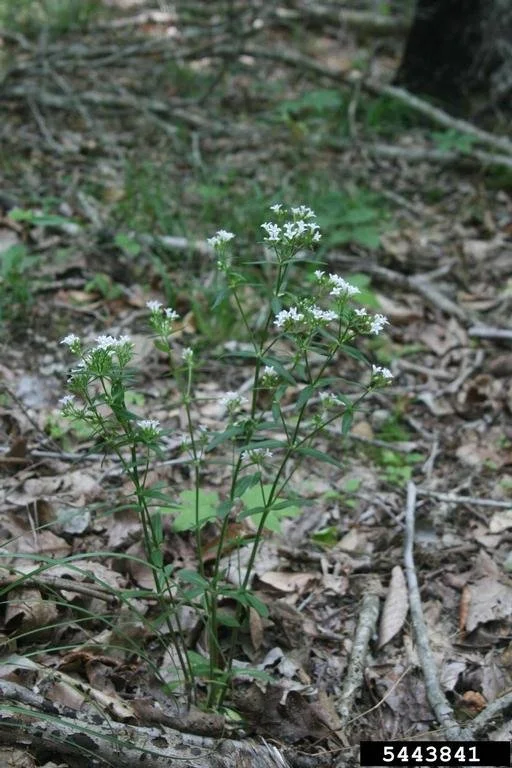 Image 2 of 4
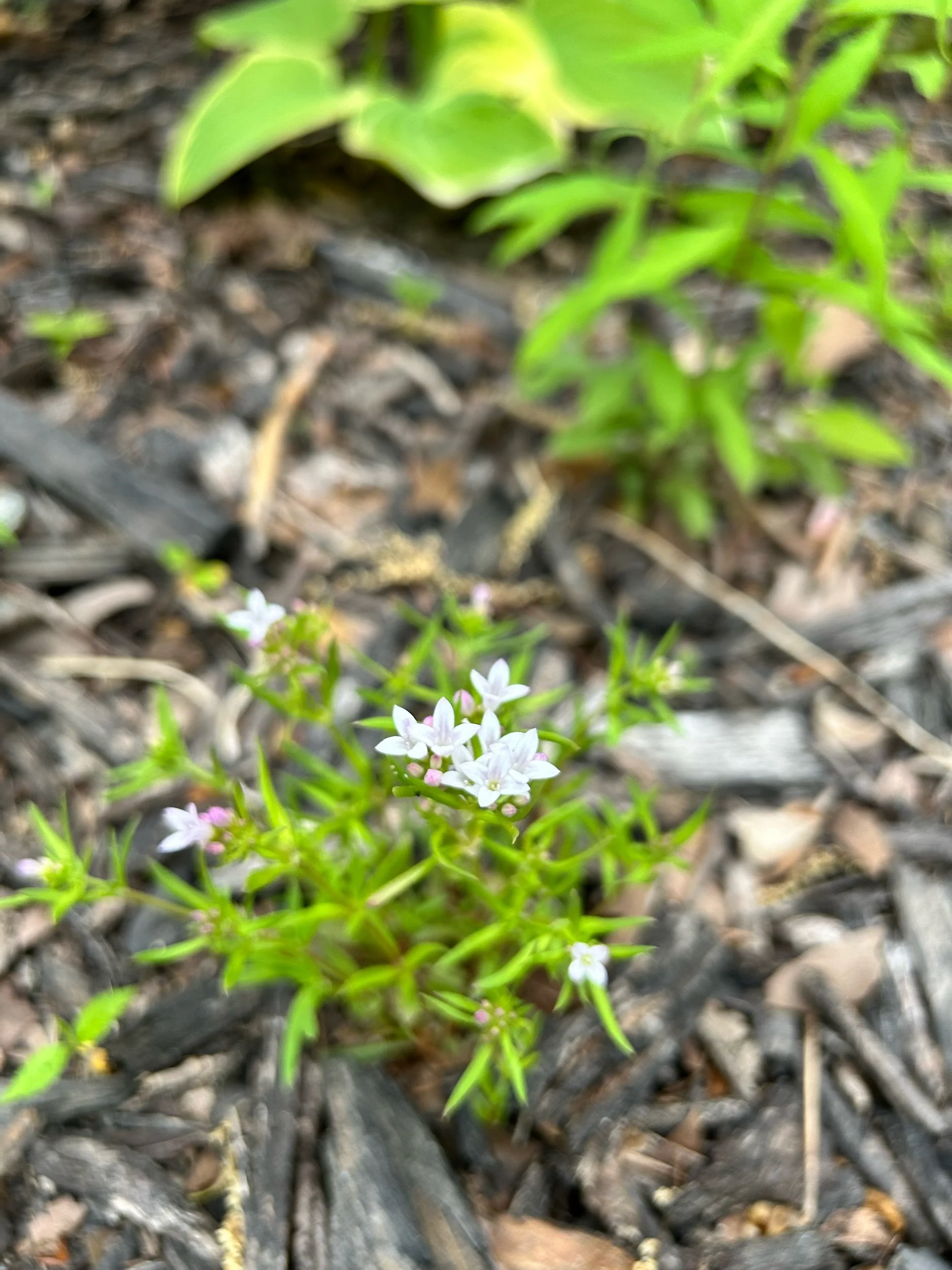 Image 3 of 4
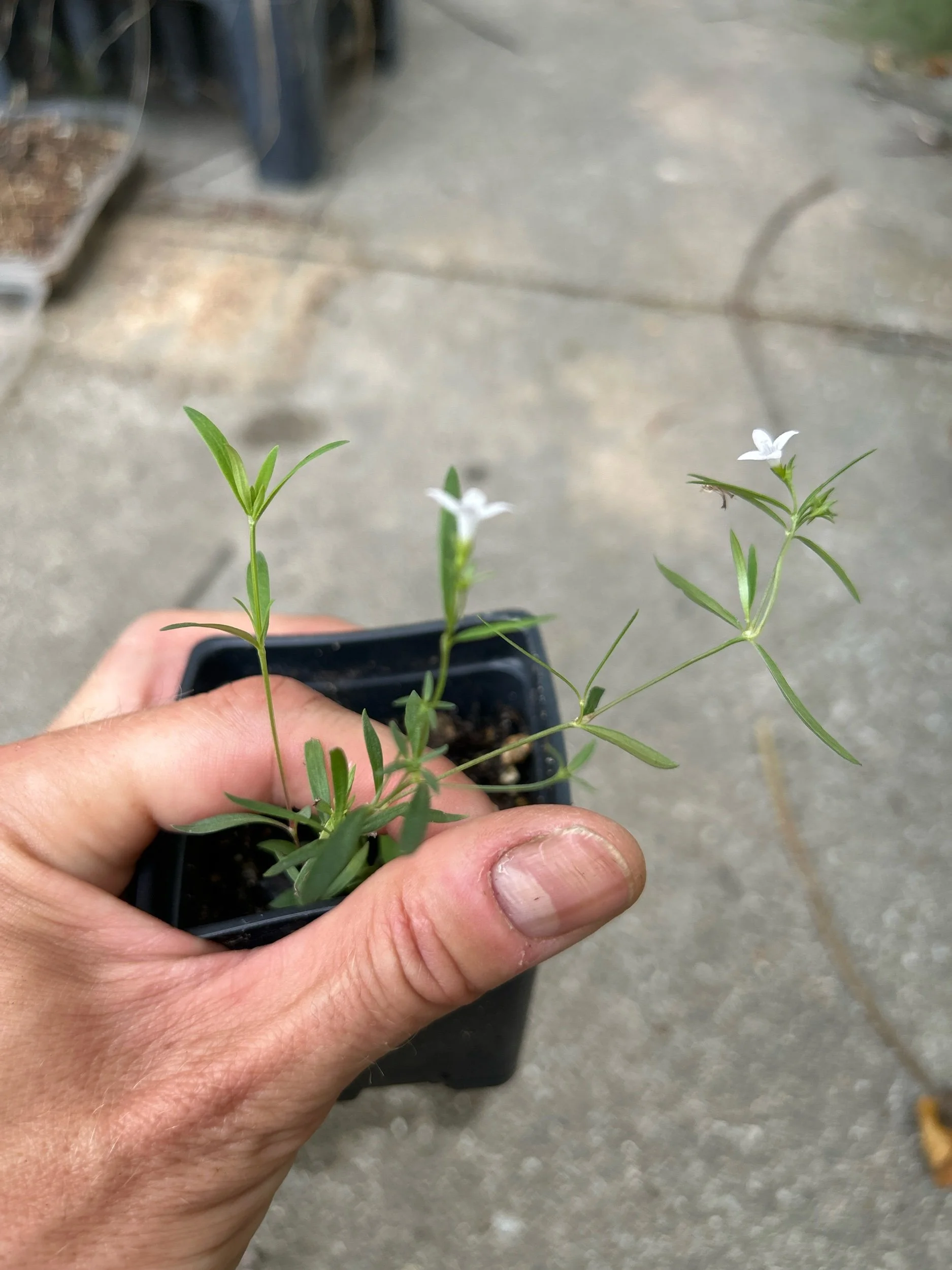 Image 4 of 4
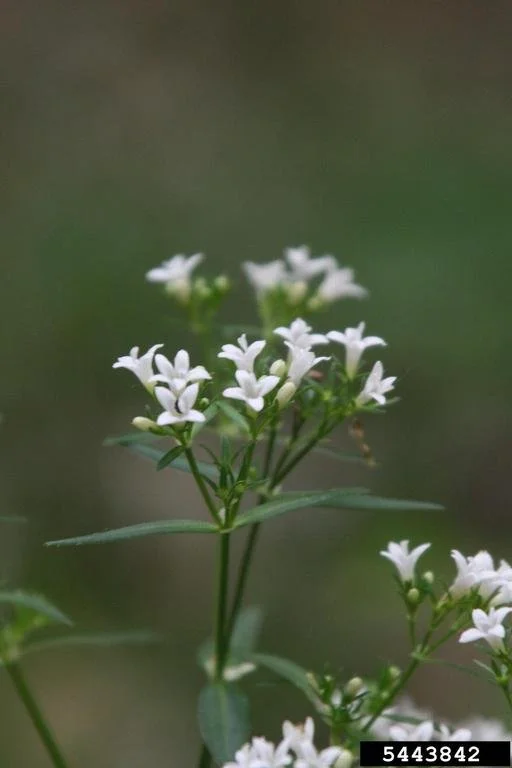
Longleaf bluets (Houstonia longifolia) are small (3-10“) and dainty native perennial wildflowers found throughout Michigan (and well beyond, from the deep south to Ontario, CAN, and all the way east to the Atlantic coast) in dry, open sandy or rocky places (prairies or glades) as well as in upland deciduous woods. They are highly drought tolerant, and can handle most any sunlight conditions, though some sun is preferred. Their bloom time is sporadic, starting in late spring and sometimes continuing through all of summer, and their tiny, beautiful, tubular flowers vary in color from pinkish-white to light purple. After flowering and setting seed, its stems fade away, while the basal rosette of leaves may persist evergreen through winter. Note that this plant does not tolerate competition well, and relies on its ability to persist in dry, poor soil to survive. If planted in a fertile flower bed, it will be outcompeted.
This species not only offers a unique, eye-catching appearance, but also offers food to a variety of insects. The Spotted Thyris moth, Thyris maculata, a lovely day-flying moth, uses Houstonia spp. as host plants. The flowers, though tiny, are abundant in nutritious nectar and pollen and are thus highly attractive to a variety of small insects and native specialist bees, including masked bees, mason bees, and Halictid bees.
Though not commonly foraged, all above-ground parts are edible, and can be eaten raw in salads and sandwiches or as a unique garnish.
Sun: full - part sun
Height: 3-10”
Flower color: white - pink
Bloom time: May - July
Wetness: medium dry - dry
Soil: sandy, gravely, poor soil
Pot size = pint
Photo credit - Chris Evans, University of Illinois, Bugwood.org
Longleaf bluets (Houstonia longifolia) are small (3-10“) and dainty native perennial wildflowers found throughout Michigan (and well beyond, from the deep south to Ontario, CAN, and all the way east to the Atlantic coast) in dry, open sandy or rocky places (prairies or glades) as well as in upland deciduous woods. They are highly drought tolerant, and can handle most any sunlight conditions, though some sun is preferred. Their bloom time is sporadic, starting in late spring and sometimes continuing through all of summer, and their tiny, beautiful, tubular flowers vary in color from pinkish-white to light purple. After flowering and setting seed, its stems fade away, while the basal rosette of leaves may persist evergreen through winter. Note that this plant does not tolerate competition well, and relies on its ability to persist in dry, poor soil to survive. If planted in a fertile flower bed, it will be outcompeted.
This species not only offers a unique, eye-catching appearance, but also offers food to a variety of insects. The Spotted Thyris moth, Thyris maculata, a lovely day-flying moth, uses Houstonia spp. as host plants. The flowers, though tiny, are abundant in nutritious nectar and pollen and are thus highly attractive to a variety of small insects and native specialist bees, including masked bees, mason bees, and Halictid bees.
Though not commonly foraged, all above-ground parts are edible, and can be eaten raw in salads and sandwiches or as a unique garnish.
Sun: full - part sun
Height: 3-10”
Flower color: white - pink
Bloom time: May - July
Wetness: medium dry - dry
Soil: sandy, gravely, poor soil
Pot size = pint
Photo credit - Chris Evans, University of Illinois, Bugwood.org