 Image 1 of 4
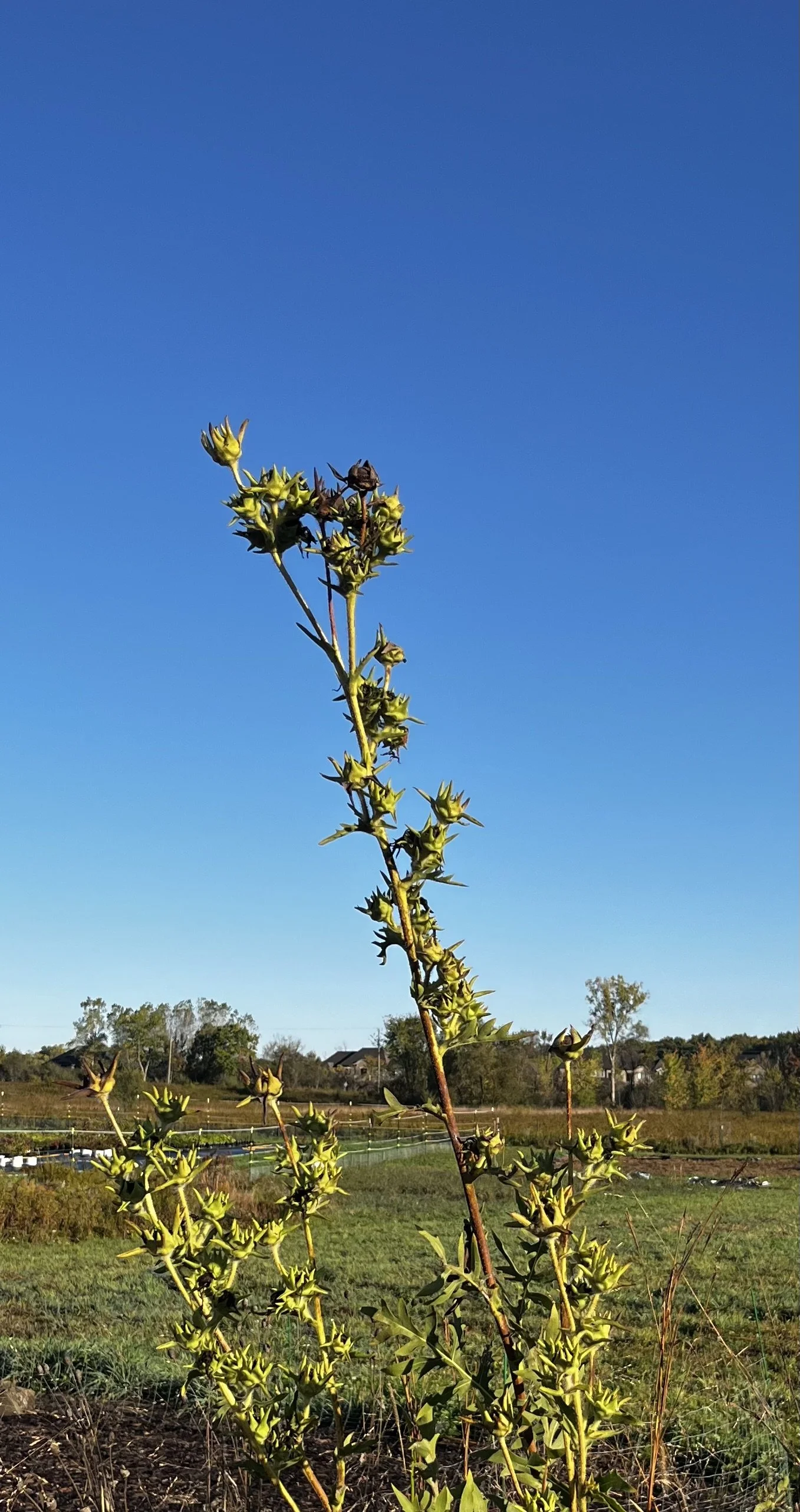 Image 2 of 4
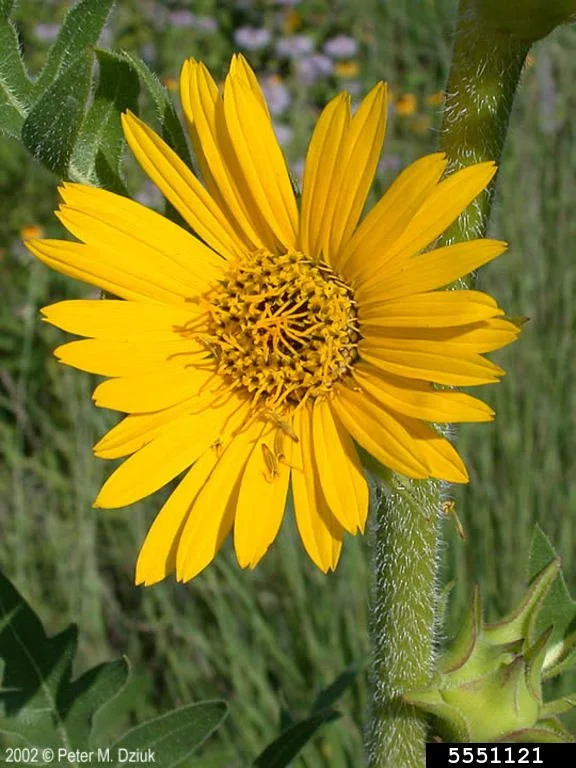 Image 3 of 4
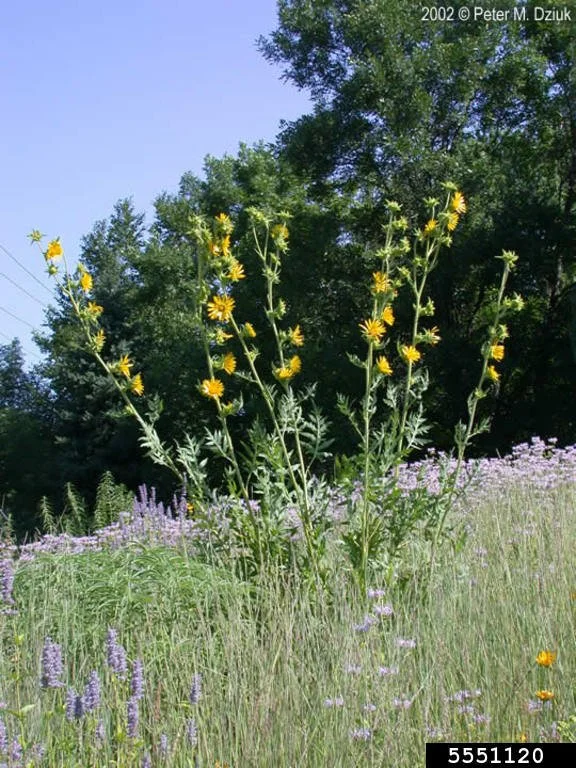 Image 4 of 4
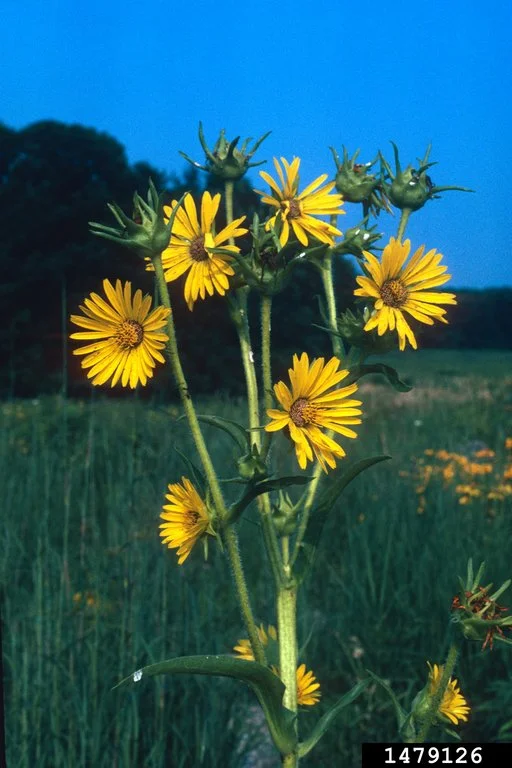
Silphiumlaciniatum, aka Compass plant, is an iconic, towering, long-lived (up to 100 years!) beautiful sunflower-like perennial plant native to Michigan and the greater Midwest prairies that dominated our landscape prior to European colonization. Its common name comes from the leaves’ tendency to orient north-south, an adaptation which conserves water in its native hot, dry climates. Combined with a thick (1-2”), deep (up to 14’!) tap root, this enables incredible drought tolerance once the plant is established.
In addition to being a show-stopper in the landscape, Compass plant exhibits high wildlife value as well, supporting birds, bees, butterflies, beetles, and more. Its tall, structural characteristics appeal to insectivorous songbirds like the Eastern Kingbird, which is known to use this plant as a favored perch for its unique acrobatic aerial hunting strategy called “sallying”. Other birds, like the American goldfinch, dine on its seeds. This species is a host plant to at least six species of Lepidoptera, including the threatened Two-spotted eucoma and the Giant eucosma. Its primary pollinators are native long-tongued bees, including miner bees, bumblebees, and leaf-cutter bees. It is also a host plant for many other specialist insects like the gall wasps Antistrophus rufus and Antistrophus minor, as well as the “Tumbling flower beetle”, Mordellistena aethiops. Monarchs, suphur butterflies, halictine bees, syrphid flies are known to visit for its nutritious nectar.
If that’s not enough, Silphium laciniatum’s parts are edible and medicinal as well. Roots and stems are known to have been used by our indigenous peoples in a variety of ways. For instance, Pawnees crushed its roots to make medicinal teas as a remedy for various illnesses and “general debility”. Leaves were used as an expectorant for respiratory issues like coughs and asthma. Finally, various tribes chewed on the resinous sap of compassplant stems like gum, which is believed to have benefited people’s teeth and breath.
If you like to live and garden a bit on the wild side, chewing plant sap and rebelliously planting tall, punk-rock plants that attract tumbling flower beetles, look no further! This plant is for you 😎
Height: 4-8’
Flower color: yellow
Bloom time: June - September
Sunlight: Full sun - part shade (prefers full sun)
Wetness: medium wet to medium dry
Soil type: various well-drained soils (not clay)
Attracts: birds, butterflies, bees, and more
Photo credits: Peter Dziuk, Minnesota Department of Agriculture, and Alex Katovich, Bugwood.org
Silphiumlaciniatum, aka Compass plant, is an iconic, towering, long-lived (up to 100 years!) beautiful sunflower-like perennial plant native to Michigan and the greater Midwest prairies that dominated our landscape prior to European colonization. Its common name comes from the leaves’ tendency to orient north-south, an adaptation which conserves water in its native hot, dry climates. Combined with a thick (1-2”), deep (up to 14’!) tap root, this enables incredible drought tolerance once the plant is established.
In addition to being a show-stopper in the landscape, Compass plant exhibits high wildlife value as well, supporting birds, bees, butterflies, beetles, and more. Its tall, structural characteristics appeal to insectivorous songbirds like the Eastern Kingbird, which is known to use this plant as a favored perch for its unique acrobatic aerial hunting strategy called “sallying”. Other birds, like the American goldfinch, dine on its seeds. This species is a host plant to at least six species of Lepidoptera, including the threatened Two-spotted eucoma and the Giant eucosma. Its primary pollinators are native long-tongued bees, including miner bees, bumblebees, and leaf-cutter bees. It is also a host plant for many other specialist insects like the gall wasps Antistrophus rufus and Antistrophus minor, as well as the “Tumbling flower beetle”, Mordellistena aethiops. Monarchs, suphur butterflies, halictine bees, syrphid flies are known to visit for its nutritious nectar.
If that’s not enough, Silphium laciniatum’s parts are edible and medicinal as well. Roots and stems are known to have been used by our indigenous peoples in a variety of ways. For instance, Pawnees crushed its roots to make medicinal teas as a remedy for various illnesses and “general debility”. Leaves were used as an expectorant for respiratory issues like coughs and asthma. Finally, various tribes chewed on the resinous sap of compassplant stems like gum, which is believed to have benefited people’s teeth and breath.
If you like to live and garden a bit on the wild side, chewing plant sap and rebelliously planting tall, punk-rock plants that attract tumbling flower beetles, look no further! This plant is for you 😎
Height: 4-8’
Flower color: yellow
Bloom time: June - September
Sunlight: Full sun - part shade (prefers full sun)
Wetness: medium wet to medium dry
Soil type: various well-drained soils (not clay)
Attracts: birds, butterflies, bees, and more
Photo credits: Peter Dziuk, Minnesota Department of Agriculture, and Alex Katovich, Bugwood.org