 Image 1 of 1
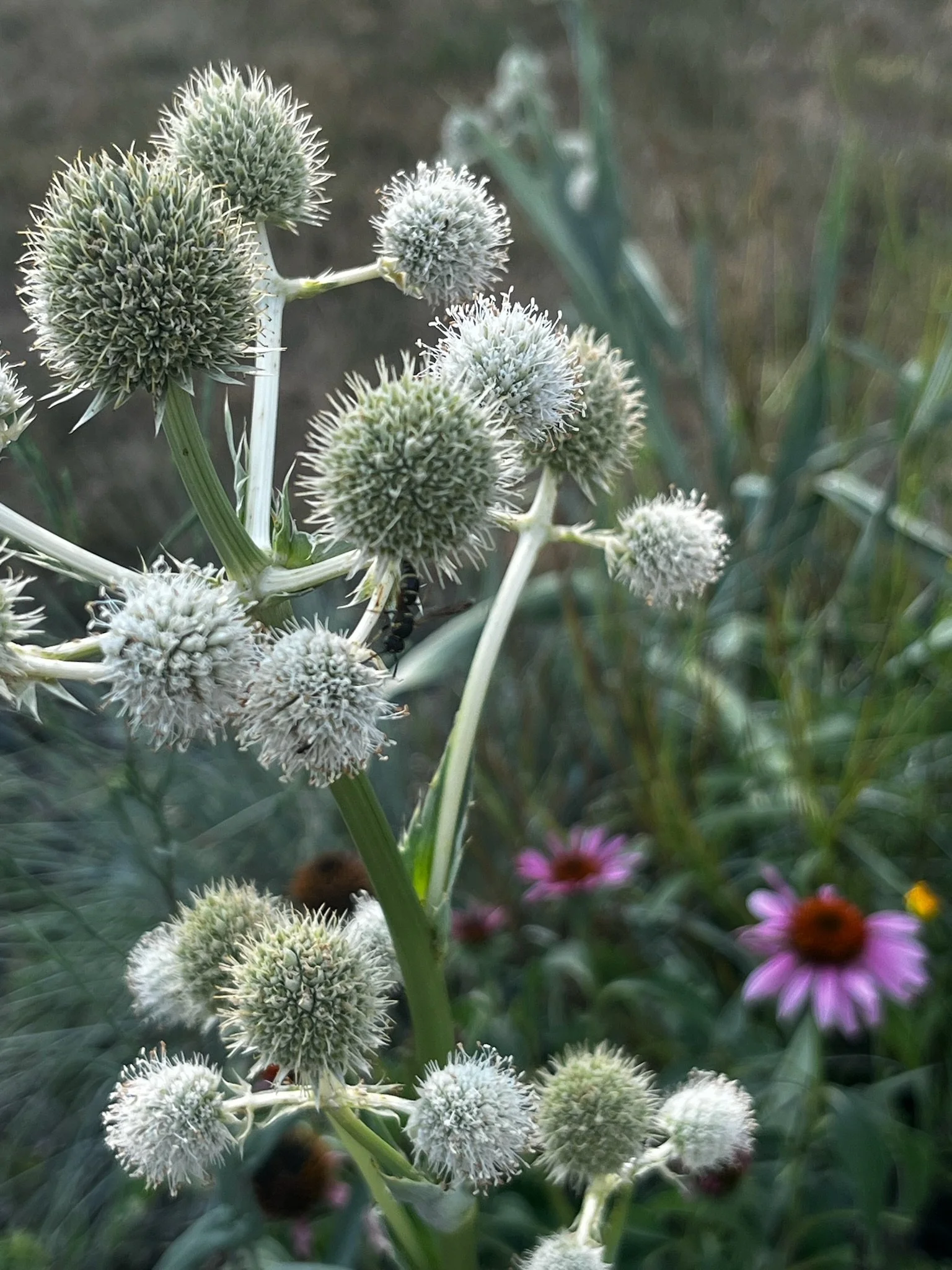
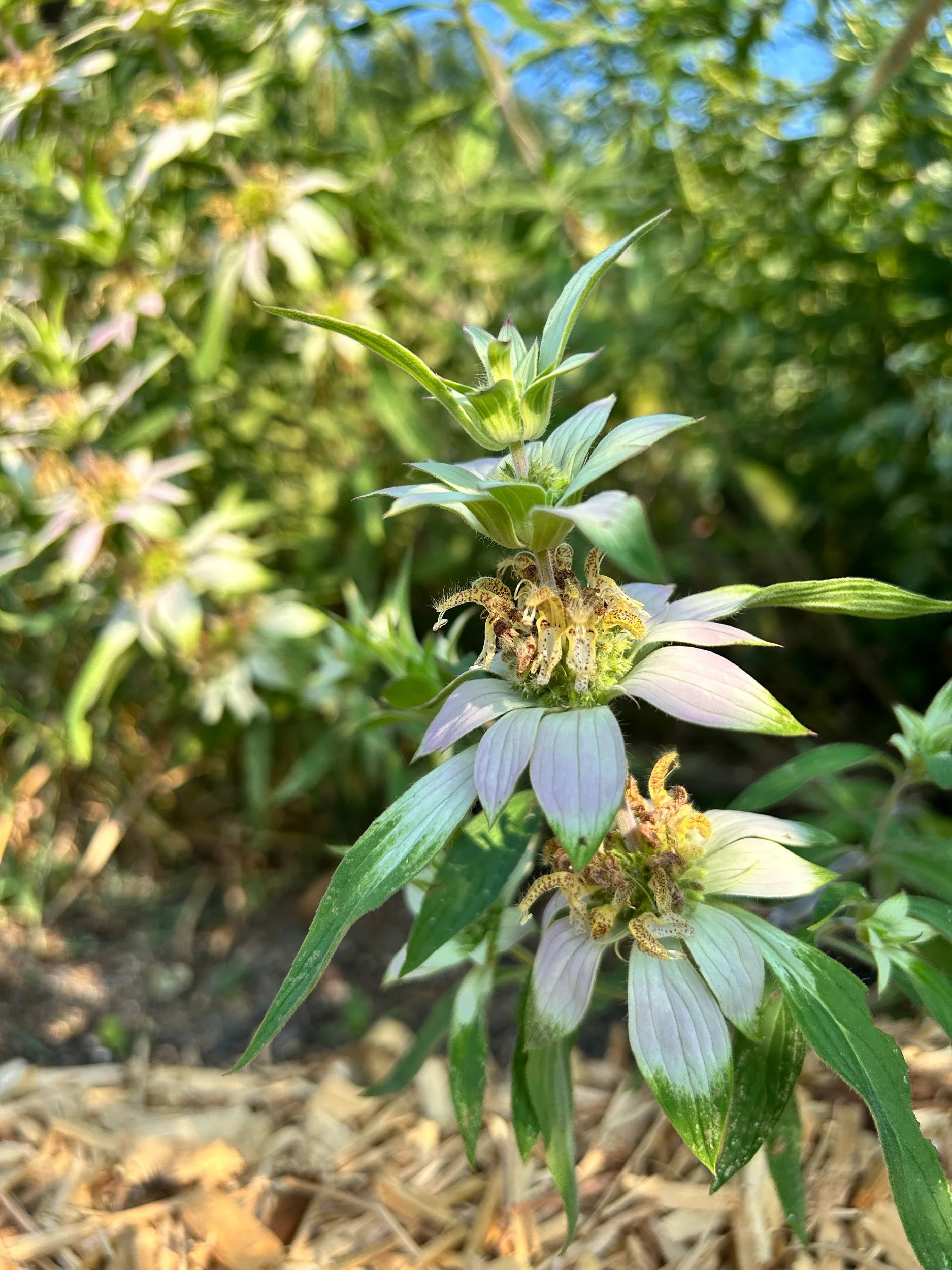
Drought tolerant and deer/rabbit resistant, this unique plant is perfect for the eccentric gardener. Sporting possibly the most complex flowers of any Michigan native plant, Monarda punctata typically blooms in late summer, and can last into fall, especially if you have several mature plants which bloom in succession. Flower colors abound, going from green/white to pink to purple to yellow with tiny red dots, a true wonder of the plant world.
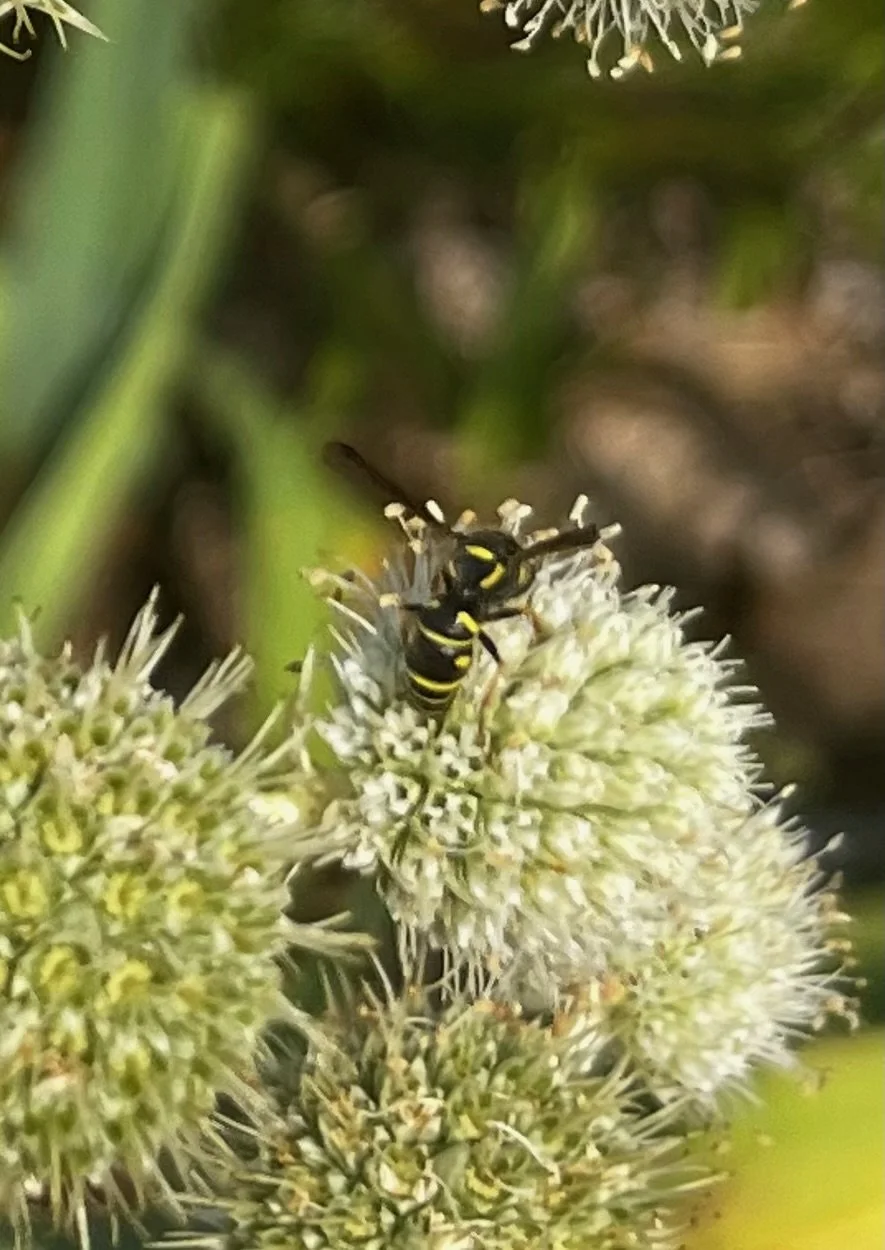
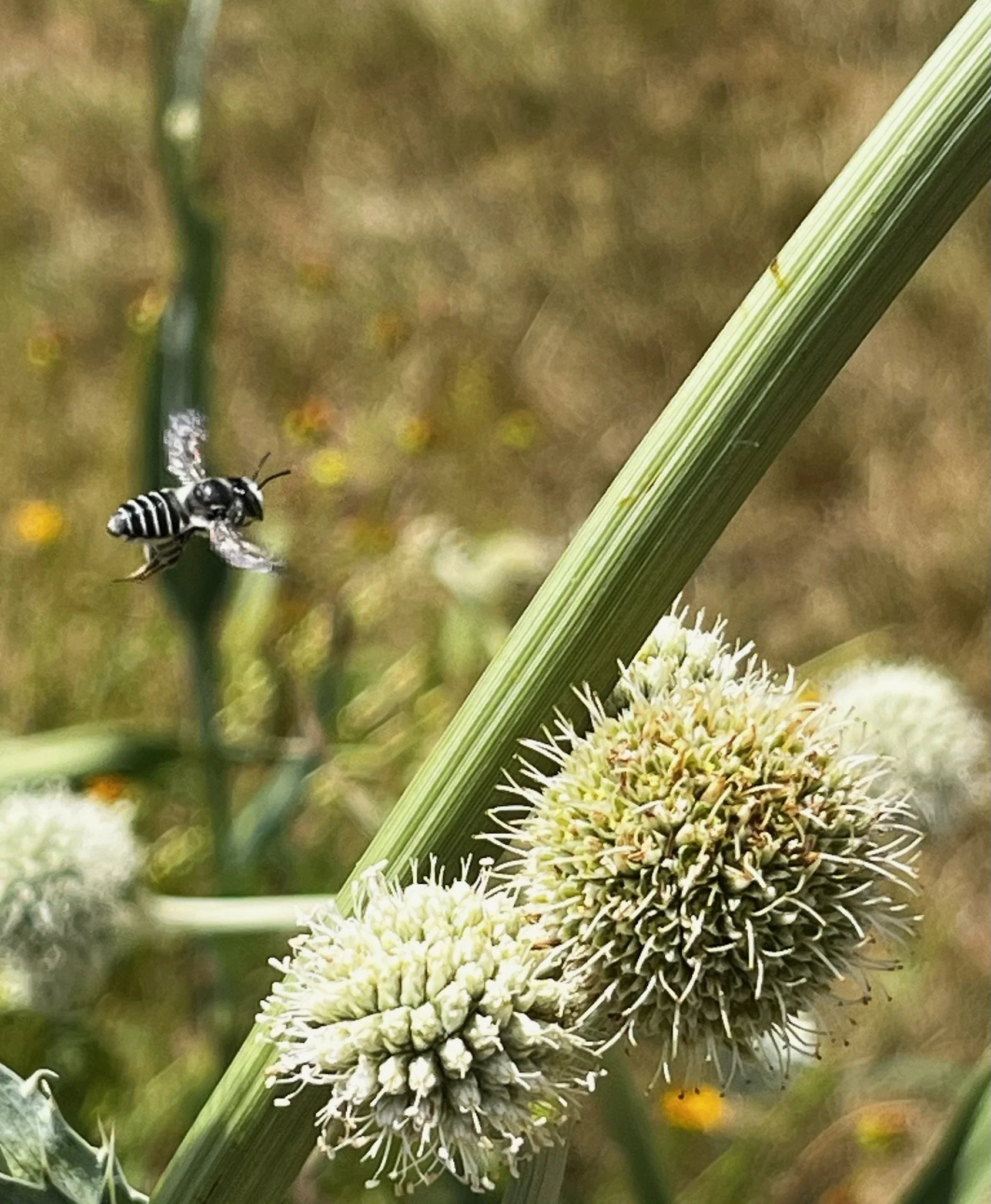
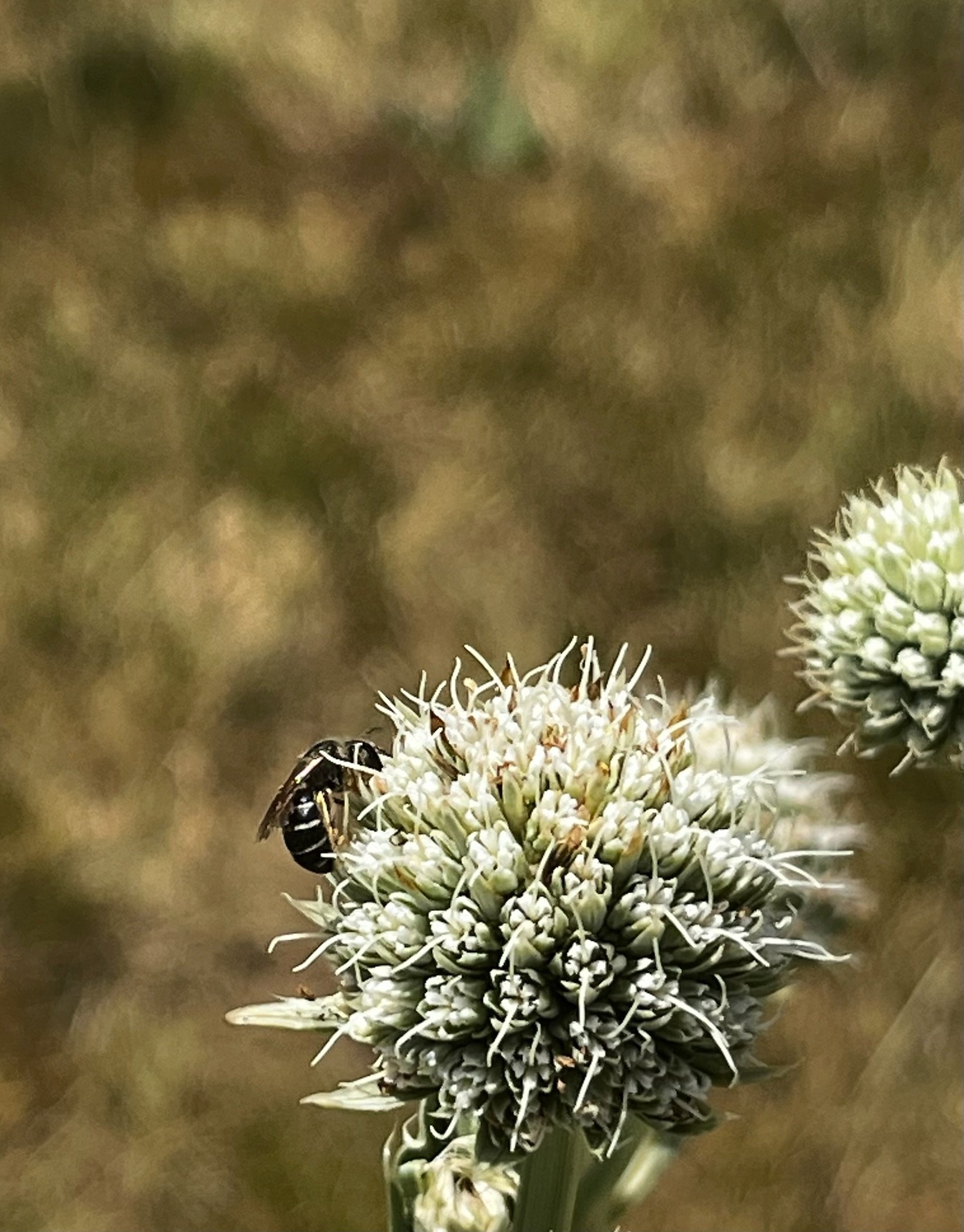
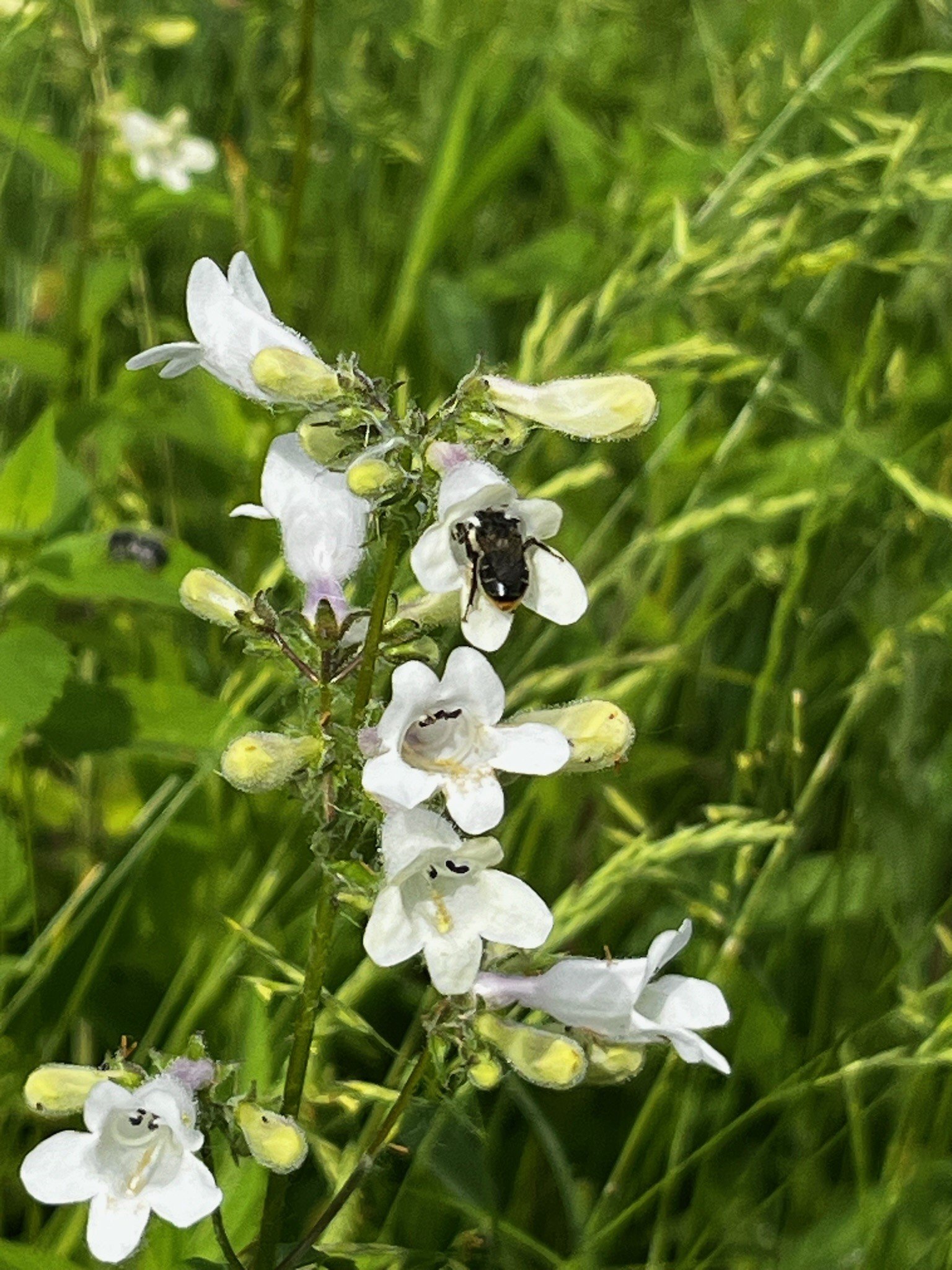
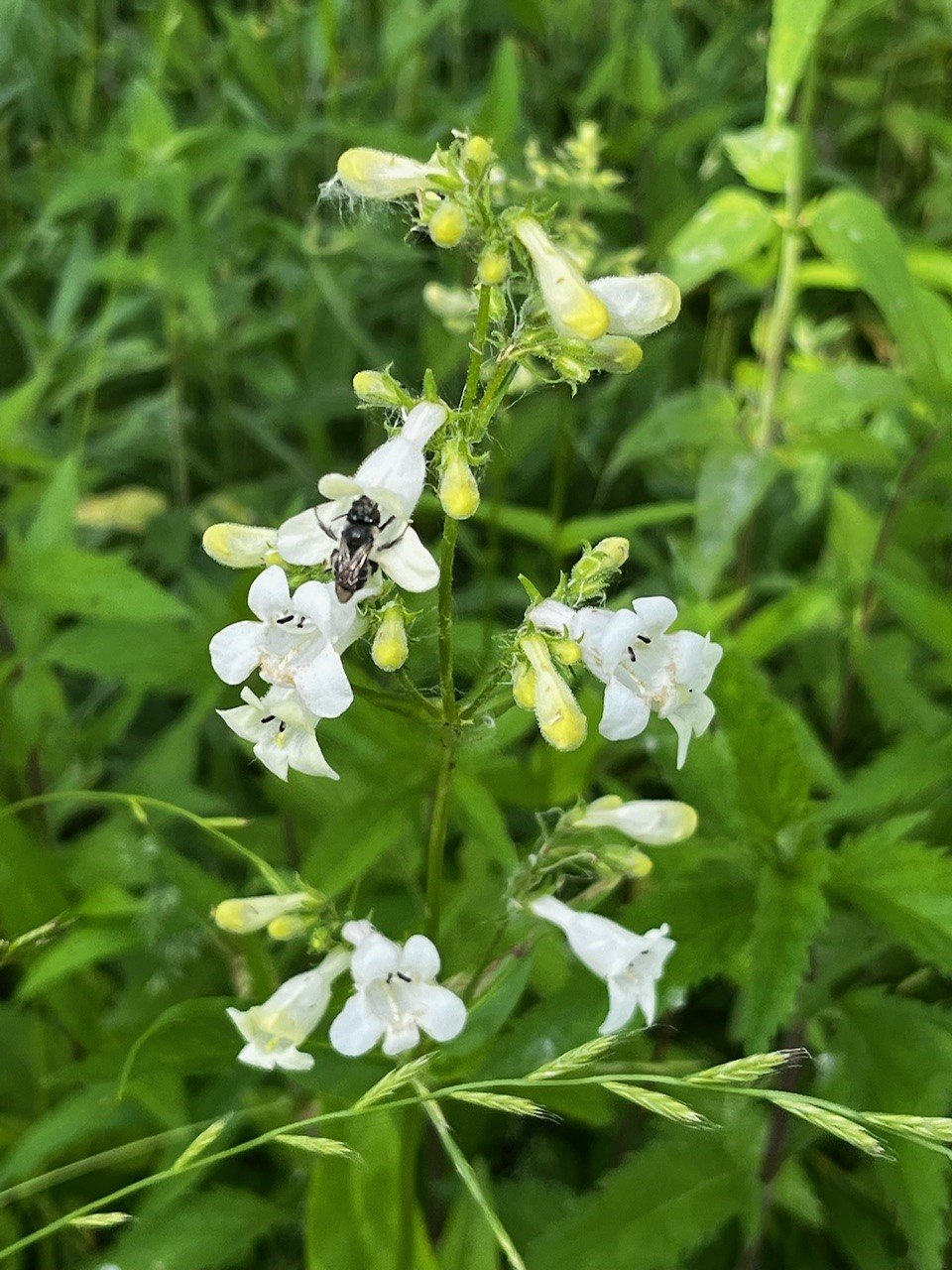
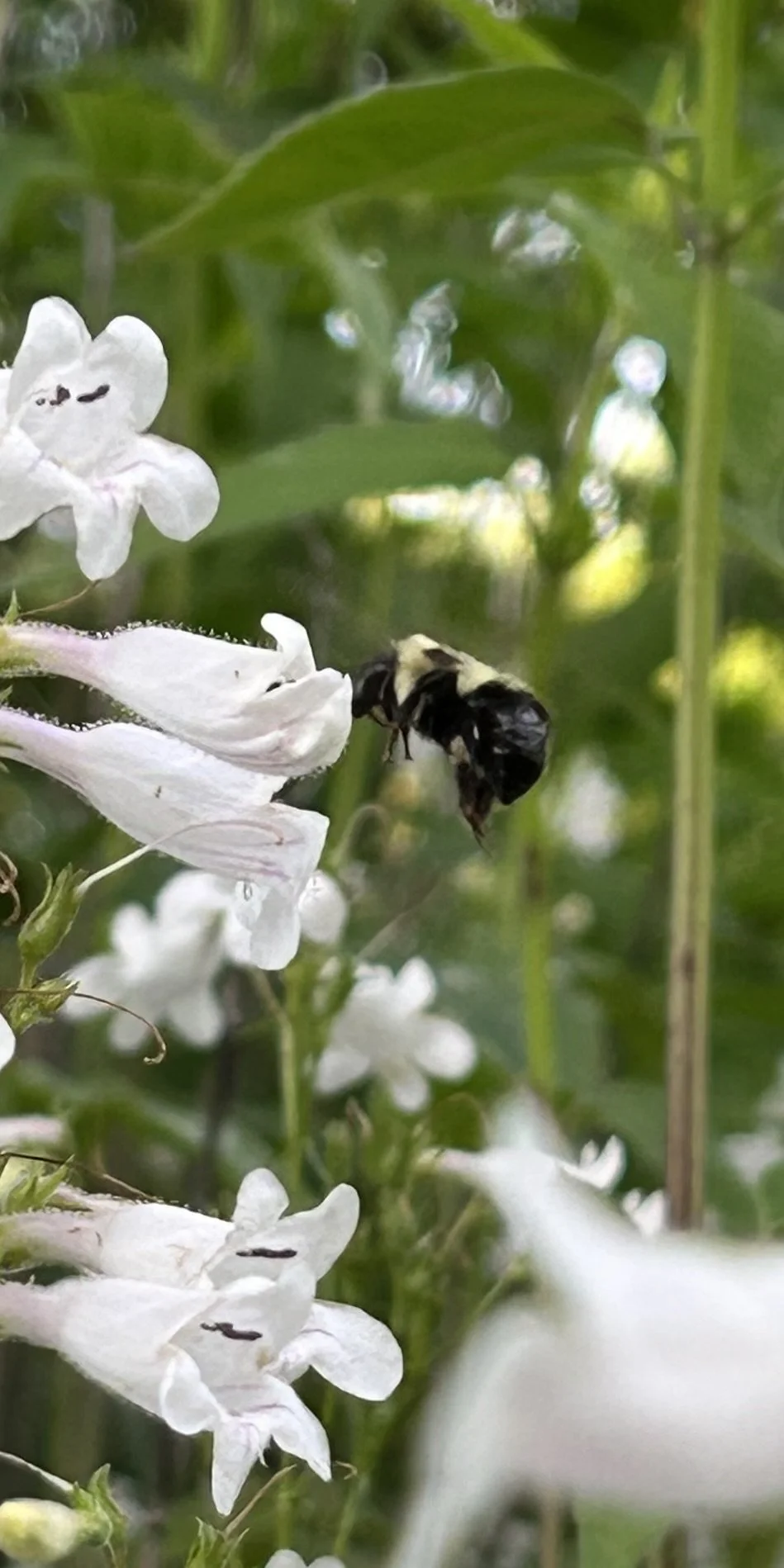
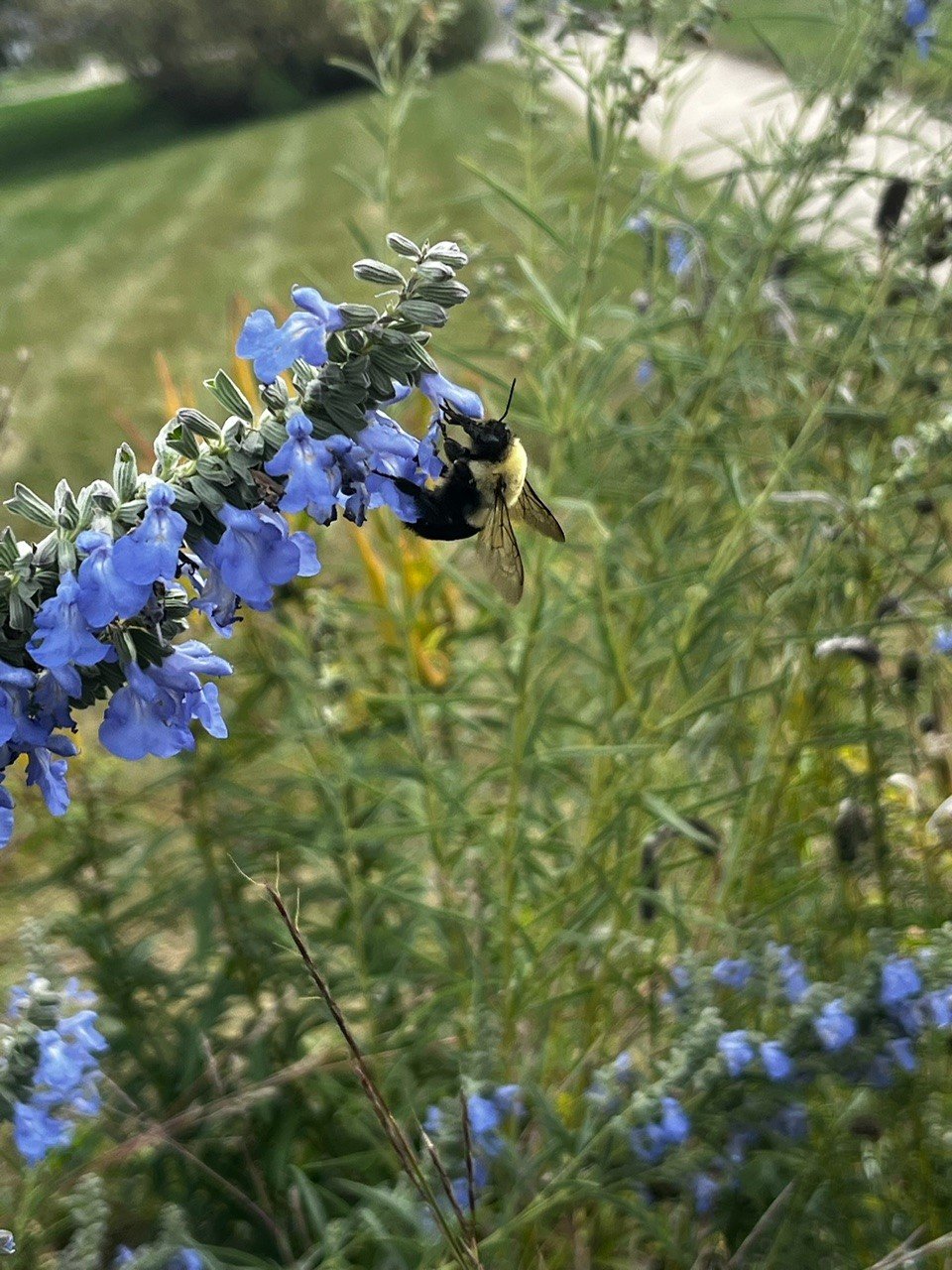
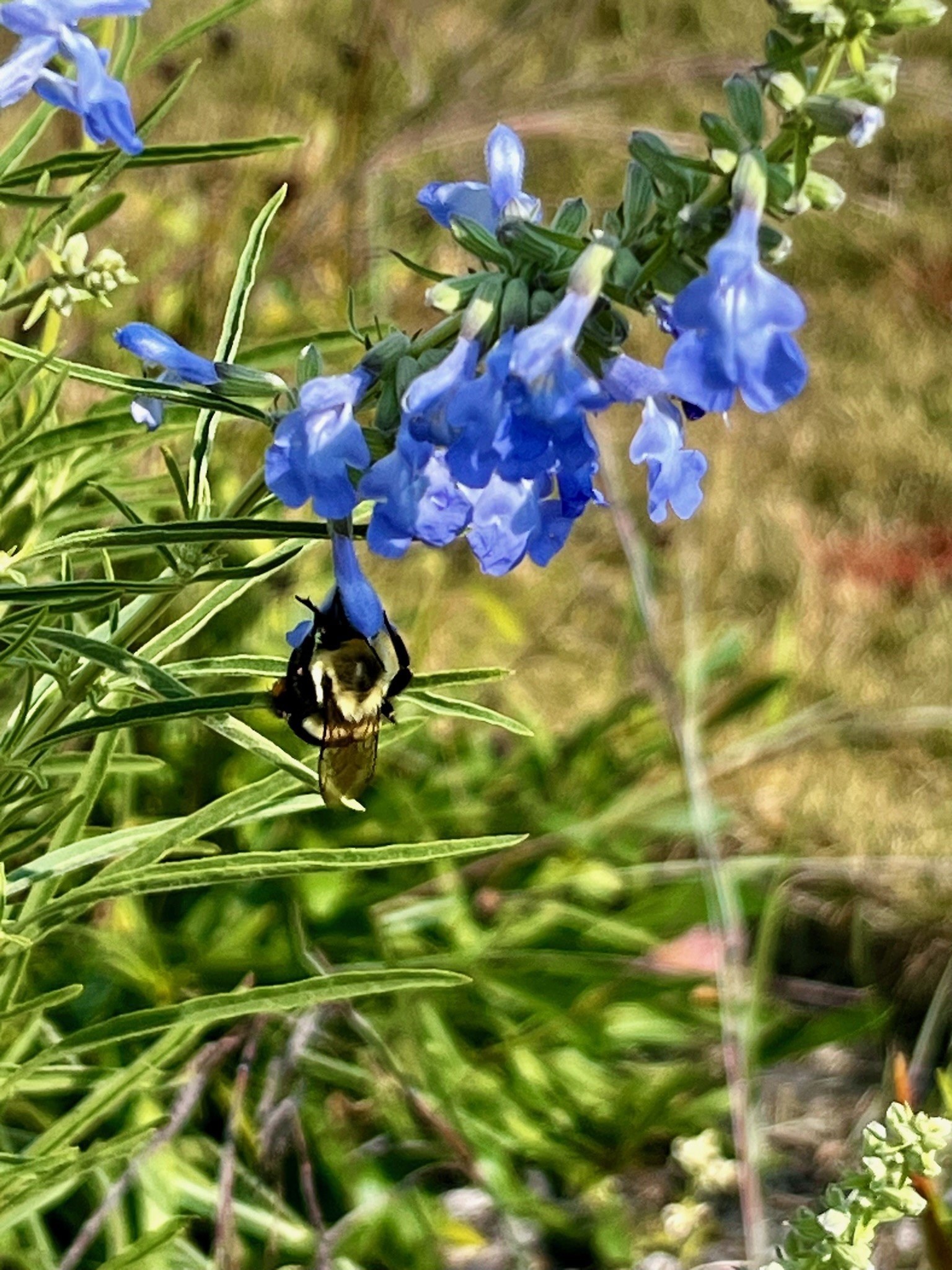
Spotted bee balm grows in nutrient poor, dry soil in full sun or part sun. It is highly valuable to wildlife, offering nectar and pollen to Bumblebees, miner bees, and honey bees, as well as skippers and butterflies. This species also serves as a host plant for several Lepidoptera species, including the Gray Marvel, Pyralid Moth, and Raspberry Pyrausta, which feeds nearly exclusively on this species.
Sun: full - partial sun
Height: 1-3’
Flower color: yellow- pink - purple
Bloom time: July - September
Wetness: dry - medium dry
Root system: fibrous
Soil: sandy, rocky
Sun: full - partial sun
Height: 1-3’
Flower color: yellow-pink - purple
Bloom time: July - September
Wetness: dry - medium
Root system: taproot, fibrous
Soil: sandy, rocky
Drought tolerant and deer/rabbit resistant, this unique plant is perfect for the eccentric gardener. Sporting possibly the most complex flowers of any Michigan native plant, Monarda punctata typically blooms in late summer, and can last into fall, especially if you have several mature plants which bloom in succession. Flower colors abound, going from green/white to pink to purple to yellow with tiny red dots, a true wonder of the plant world.
Spotted bee balm grows in nutrient poor, dry soil in full sun or part sun. It is highly valuable to wildlife, offering nectar and pollen to Bumblebees, miner bees, and honey bees, as well as skippers and butterflies. This species also serves as a host plant for several Lepidoptera species, including the Gray Marvel, Pyralid Moth, and Raspberry Pyrausta, which feeds nearly exclusively on this species.
Sun: full - partial sun
Height: 1-3’
Flower color: yellow- pink - purple
Bloom time: July - September
Wetness: dry - medium dry
Root system: fibrous
Soil: sandy, rocky
Sun: full - partial sun
Height: 1-3’
Flower color: yellow-pink - purple
Bloom time: July - September
Wetness: dry - medium
Root system: taproot, fibrous
Soil: sandy, rocky